temperature for pie crust
The temperature for pie crust directly determines whether you achieve a flaky, golden masterpiece or a soggy, pale disappointment. Most home bakers struggle with this critical element because pie dough requires precise thermal control at every stage—from mixing to final bake.
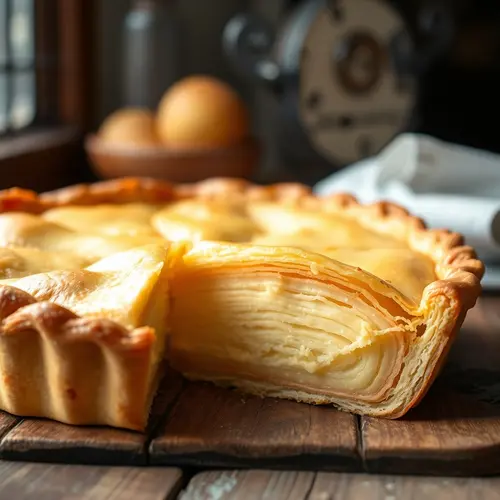
Understanding the science behind dough temperature transforms your baking results immediately. When butter stays cold during mixing, it creates distinct fat layers that steam during baking, producing those coveted flaky sheets.
Why Temperature for Pie Crust Matters More Than You Think
Professional pastry chefs obsess over thermal management because fat behavior changes dramatically across temperature zones. Between 60°F and 68°F, butter begins softening enough to blend with flour, destroying the layered structure that creates flakiness.
The United States Department of Agriculture recommends keeping pie dough components below 70°F during preparation. This isn’t arbitrary—it’s based on the melting point of butterfat and how gluten develops under different thermal conditions.
Cold Ingredient Temperature for Pie Crust Success
Your foundational ingredients should sit at specific temperatures before you start:
- Butter: 35°F to 40°F (straight from refrigerator, cut into cubes)
- Water: 32°F to 40°F (add ice cubes to chill it thoroughly)
- Flour: Room temperature is acceptable, but chilled flour (50°F) gives extra insurance
- Fat alternatives like shortening or lard: 40°F to 45°F
Many traditional recipes skip this precision, leading to inconsistent results. When butter warms past 65°F during mixing, it coats flour particles instead of remaining in discrete chunks. This creates a mealy texture rather than flaky layers.
Optimal Oven Temperature for Pie Crust Baking
Blind baking and filled pies require different thermal approaches. The standard range spans 375°F to 425°F, but your specific situation dictates the exact setting.
| Pie Type | Oven Temperature | Initial Duration | Purpose |
|---|---|---|---|
| Blind Bake (Empty Shell) | 400°F to 425°F | 15-20 minutes | Set structure quickly, prevent slumping |
| Fruit Pies (Unbaked Filling) | 425°F initially, then 375°F | 20 min high, 35-45 min reduced | Rapid bottom crust set, then gentle filling cook |
| Custard Pies (Liquid Filling) | 375°F to 400°F | 40-60 minutes | Simultaneous crust browning and filling setting |
| Pre-Baked Filling Pies | 350°F to 375°F | 25-35 minutes | Browning and merging flavors only |
The Two-Temperature Method for Temperature for Pie Crust Perfection
High-end bakeries use a strategic temperature drop technique. Start fruit pies at 425°F for the first 20 minutes to rapidly set the bottom crust and create immediate steam for flakiness.
Then reduce to 375°F for the remaining bake time. This prevents filling from boiling over while ensuring the crust browns completely. The initial blast creates structural integrity before moisture from the filling can penetrate.
Resting Temperature for Pie Crust Development
After mixing, dough must rest at 38°F to 42°F (standard refrigerator temperature) for at least 30 minutes. This chilling period accomplishes three critical functions:
- Gluten strands relax, reducing shrinkage during baking
- Butter resolidifies into firm pieces that will create steam pockets
- Moisture distributes evenly throughout the dough matrix
Extended chilling up to 72 hours actually improves flavor development through enzymatic activity. The Food Network Kitchens documentation indicates that overnight resting produces measurably better texture than 30-minute chilling.
Room Temperature Rolling: The Critical Window
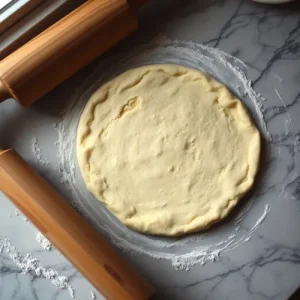
Paradoxically, you need dough slightly warmer for rolling—around 60°F to 65°F. Too cold and it cracks; too warm and it becomes sticky and tears.
Remove chilled dough from refrigeration and let it sit for 5 to 10 minutes. Press the surface with your finger—if it leaves a slight impression without feeling rock-hard, you’ve hit the rolling window.
Common Myths About Temperature for Pie Crust
The “ice-cold water” instruction appears in countless recipes, but some bakers misinterpret this to mean frozen water chunks. You want liquid water at near-freezing temperature (35°F to 40°F), not ice shards that won’t distribute properly.
Another persistent myth claims room temperature butter creates “tender” crust. This confuses tenderness (lack of toughness) with texture type. Cold butter produces flaky AND tender crust through proper technique. Warm butter simply creates a different structure—mealy or cookie-like—not a superior one.
Expert Opinion: The Freezer Trick
After 15 years working with pastry dough, I’ve found that a 10-minute freezer rest before baking prevents edge slumping better than any other technique. The temperature for pie crust drops to around 20°F to 25°F, which firms the structure enough that it holds shape during the crucial first minutes in the oven.
This brief deep-chill doesn’t freeze the dough solid—it just creates extra thermal mass that resists immediate heat. The outer edges stay structured while the oven temperature climbs to the point where the dough sets permanently.
Troubleshooting Temperature-Related Issues
When your crust shrinks dramatically, you’ve rolled dough that was too warm (above 68°F) or skipped adequate chilling. The gluten network remained elastic and contracted when exposed to oven heat.
Pale, underbaked bottom crusts indicate insufficient initial oven heat. That bottom layer needs 425°F to set before filling moisture migrates downward. Consider using a preheated baking stone or steel placed on the lowest oven rack to boost bottom heat transfer.
Monitoring Internal Temperature for Pie Crust Doneness
Professional bakers sometimes use instant-read thermometers to verify doneness. A fully baked pie crust reaches an internal temperature of 200°F to 210°F. At this point, enough moisture has evaporated and starches have gelatinized to create the proper structure.
This technique works especially well for double-crust pies where visual assessment of the bottom proves difficult. Insert the thermometer probe through a steam vent into the filling, then angle it to touch the bottom crust.
Seasonal Adjustments for Temperature for Pie Crust
Kitchen ambient temperature affects your process more than most bakers realize. Summer kitchens running at 78°F to 82°F require extra vigilance—work quickly, chill tools, and consider mixing dough in a cooler room.
Winter baking with kitchen temperatures around 65°F to 68°F provides natural advantages. Your dough stays workable longer, and butter maintains ideal texture through extended rolling sessions.
Some pastry experts refrigerate their marble rolling surfaces or use chilled metal rolling pins for temperature-sensitive work. These tools actively draw heat from dough during manipulation.
The Science Behind Steam and Structure
When cold butter hits high oven heat, water content within the butter (roughly 15% to 18%) converts instantly to steam. This steam expands with tremendous force, pushing apart the flour layers surrounding each butter pocket.
The Culinary Institute of America’s baking curriculum emphasizes this phase-change phenomenon as the foundation of laminated and flaky pastries. Without proper temperature for pie crust management, this steam generation happens slowly or incompletely, resulting in dense texture.
Achieving Golden Color Through Heat Management
Maillard reactions—the chemical process creating browned, flavorful crusts—accelerate above 300°F at the dough surface. Your oven’s 375°F to 425°F setting heats the crust surface well beyond this threshold while keeping the interior at proper baking temperature.
Egg wash (beaten egg brushed on top) enhances browning because proteins and sugars in the egg undergo Maillard reactions more readily than plain dough. The wash also creates a glossy finish that signals quality.
Final Considerations for Perfect Temperature for Pie Crust
Mastering thermal control transforms pie baking from unpredictable to consistent. Keep ingredients cold, work efficiently, use high initial oven heat for structure, and verify doneness through both visual cues and internal temperature.
The temperature for pie crust impacts every stage of preparation and baking. Cold mixing preserves fat structure, adequate chilling relaxes gluten, proper oven heat creates steam and browning, and final temperature ensures complete baking. Each element works together to produce professional results in your home kitchen.