Many people believe great baking comes from rare talent or expensive tools. Yet the real difference between frustration and fulfillment is far simpler. Confidence grows when results become predictable, and predictability comes from mastering a few reliable baking techniques that quietly support every recipe.
When the oven feels intimidating, creativity disappears. When the process feels familiar, baking becomes calm, expressive, and deeply satisfying. This is where transformation begins—not with complexity, but with understanding.
Why Method Beats the Recipe Card
Recipes are instructions. Baking techniques are transferable skills. Once learned, they apply across countless dishes, saving time and reducing disappointment.
A baker who understands technique can adjust instinctively. A baker who relies only on recipes often feels stuck when something goes wrong. This difference explains why two people can follow the same recipe and get very different results.
This quiet reliability builds confidence naturally.
The Foundation: Weigh First, Then Mix
Every successful bake rests on three pillars: measurement, temperature, and timing. These baking techniques create stability long before the oven door closes.
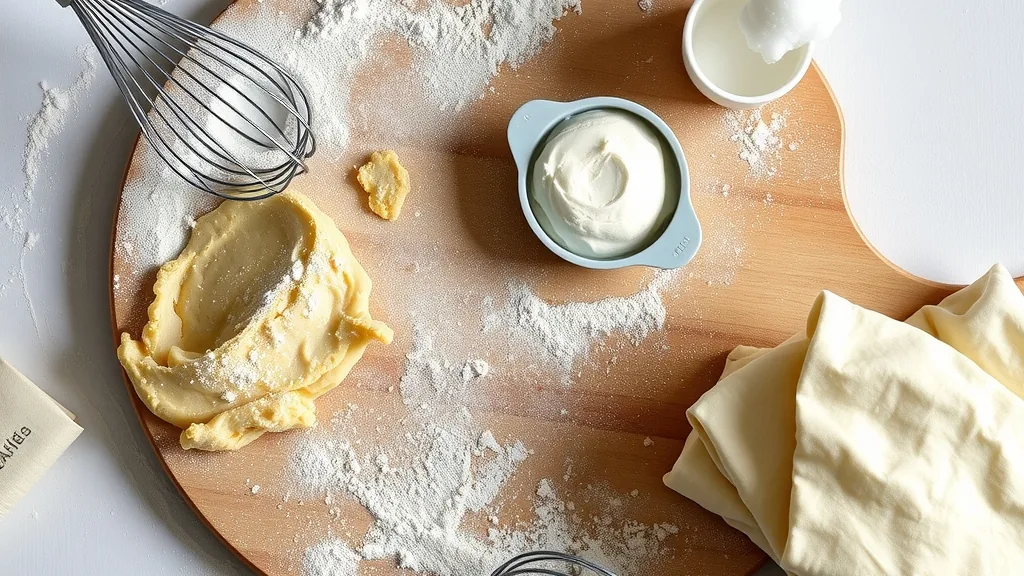
Measuring by weight instead of volume eliminates variability. Ingredients behave consistently, and batters balance more easily. Temperature awareness—both ingredient and oven—prevents shock that leads to dense or uneven results.
Small adjustments here produce noticeable improvements without changing a single recipe.
Mixing Methods That Protect Texture
Another essential category of baking techniques lies in how ingredients are combined. Overmixing develops excess gluten, while undermixing leaves uneven structure.
Comparison That Clarifies
Aggressive mixing: tough crumb, tight structure
Gentle incorporation: tender crumb, cohesive bite
Understanding when to fold, cream, or stir transforms texture without adding effort.
Heat-Control Baking Techniques That Change Outcomes
Ovens are rarely exact. Learning simple baking techniques such as preheating fully, rotating pans, and using oven thermometers prevents uneven baking.
Lower, steadier heat allows moisture retention. Higher heat encourages rapid rise but risks dryness. Knowing when to choose each creates control instead of surprise.
This awareness separates anxious baking from confident execution.
Ingredient Choices That Change Results
Ingredients behave differently under stress. Sugar attracts moisture. Fat tenderizes. Eggs emulsify. Recognizing these roles is one of the most empowering baking techniques a home baker can learn.
Example: Replacing a portion of butter with oil often improves softness without sacrificing flavor. This single adjustment demonstrates how technique enhances outcome more than rigid adherence.
Reading the Oven Window
Many baking disappointments come from waiting too long “just to be sure.” Visual cues and gentle touch matter more than minutes. Mastering timing-based baking techniques preserves moisture and structure.
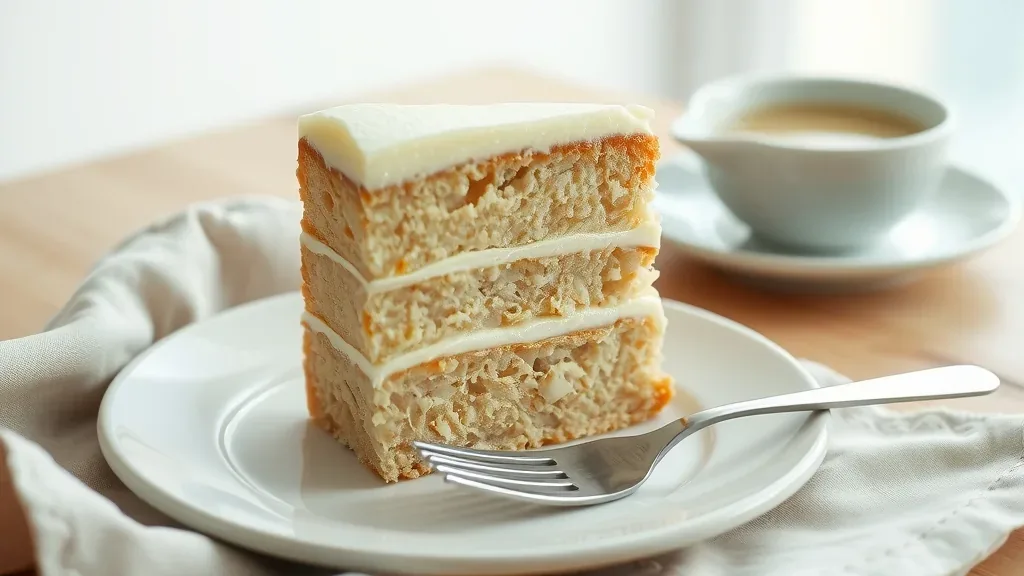
A cake that springs back softly is done. A cookie that looks slightly underbaked will finish setting as it cools. Trusting these signals builds intuition.
Storage Baking Techniques That Protect Freshness
What happens after baking matters just as much. Proper wrapping, cooling, and storage are often-overlooked baking techniques that preserve effort.
Exposed air dries crumb. Airtight protection maintains softness. Cooling before wrapping prevents condensation that leads to sogginess. These habits extend quality without extra work.
How Technique Creates Emotional Ease
Confidence in baking is emotional, not just practical. Familiar baking techniques remove fear. They allow creativity to emerge naturally. When outcomes feel reliable, baking becomes enjoyable rather than stressful.
This calm confidence is what guests notice. Not perfection—but assurance.
Start Small, Build Permanently
Choose one adjustment today. Measure more carefully. Mix more gently. Observe doneness instead of relying solely on time. These small applications of baking techniques compound quickly.
Skill grows quietly through repetition, not pressure.
Confidence Is Crafted, Not Given
Mastering baking techniques is not about control—it is about freedom. Freedom from uncertainty. Freedom to experiment. Freedom to enjoy the process as much as the result.
When technique supports intention, baking becomes a source of steady confidence and genuine joy, one thoughtful step at a time.
A Gentle Reminder for Every Baker
Progress in the kitchen is rarely loud. It arrives quietly, through repetition, observation, and patience. Confidence does not appear after one perfect bake, but after many imperfect ones that teach subtle lessons along the way.
Allow mistakes to inform rather than discourage. A cake that rises unevenly teaches heat awareness. A cookie that spreads too much teaches fat balance. Each outcome adds to intuition, shaping skill without force.
Creating a Calm, Sustainable Baking Rhythm
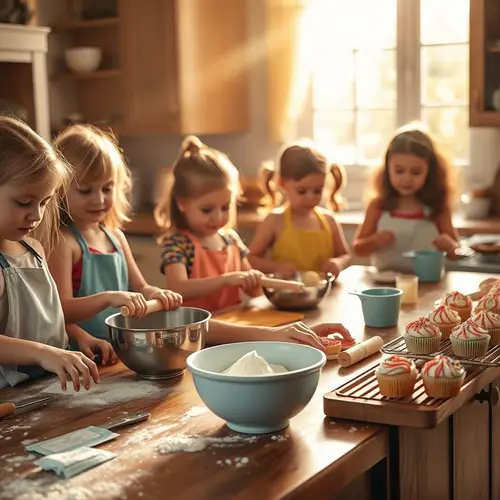
Consistency thrives in calm environments. Organizing ingredients before starting, reading recipes fully, and allowing enough time all contribute to smoother experiences. These habits reduce mental clutter and create space for enjoyment.
Baking should feel grounding, not rushed. When the process feels steady, results follow naturally.
Baking as a Form of Care
At its best, baking is an expression of care—for yourself and for others. The warmth of the oven, the scent of vanilla, the satisfaction of sharing something handmade all carry emotional weight.
Confidence grows when baking becomes less about approval and more about presence.
A Lasting Sense of Ease
With time, the kitchen becomes familiar. Tools feel like extensions of the hand. Decisions feel intuitive. What once caused hesitation becomes second nature.
That ease is earned. And once it settles in, it stays.
May every future bake feel lighter, steadier, and more joyful than the last.
Once the basics feel natural, read about the joy of baking and why simple ingredients are worth the time.
Weights, Temperatures and Cues That Remove Guesswork
Three measurements remove most baking failures: flour at 120 g per cup (113 g for whole wheat), butter at 18–20°C for creaming, and an oven that holds within ±10°C of the dial. Weighing turns a recipe into something repeatable.
Ingredient
1 cup
Notes
All-purpose flour
120 g
Spooned and levelled, not scooped
Whole wheat flour
113 g
Absorbs more water; rest batter 20 min
Granulated sugar
198 g
Weigh for consistent creaming
Brown sugar, packed
213 g
Pack until the cup holds its shape
Butter
227 g
18–20°C for creaming, 4°C for laminating
Cocoa powder
85 g
Sift before weighing to avoid clumps
Water or milk
227 g
1 g per ml, so a scale works for liquids too
Calibrate once: an oven thermometer costs less than a failed batch, and it exposes hot spots that explain uneven browning. Write the measured weight on the recipe card and the next bake starts from data instead of memory. Apply the same discipline to how to bake a cake step by step, to laminated doughs in the perfect pastries recipe guide, and to snack formulas in baking snacks. Reference: King Arthur ingredient weight chart. Reviewed and updated: November 16, 2026.
Why Baking Techniques Matter More Than Recipes
Recipes are instructions. Baking techniques are transferable skills.
Every successful bake rests on three pillars: measurement, temperature, and timing. These baking techniques create stability long before the oven door closes.
Five Habits to Practice This Week
Weigh ingredients instead of scooping them, read the recipe twice before starting, preheat fully, keep a timer visible, and write down what you changed. These small habits produce more consistent results than any single piece of equipment.
At the end of the week, review your notes and choose one habit to keep. Confidence grows from repetition, not from buying another pan.