What is the secret to a consistently perfect, foolproof result? The answer lies in understanding the fundamental mechanics of a true easy bake recipe. It’s not about a single ingredient swap, but a system that eliminates guesswork and builds confidence from the first preheat to the final cool.
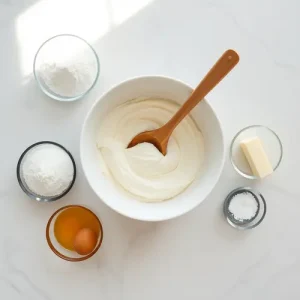
Let’s dismantle the myth of complexity. An easy bake recipe is engineered for success. It relies on the precise function of ingredients acting in concert. Flour provides structure, leaveners create lift, fats ensure tenderness, and sugars contribute to both flavor and texture. When one element is out of balance, the entire system falters.
The Non-Negotiable Framework of an Easy Bake Recipe
Every reliable formula is built on a core framework. Skipping a step or substituting without understanding the role each component plays is the fastest route to disappointment.
Ingredient Functionality: More Than Just a List
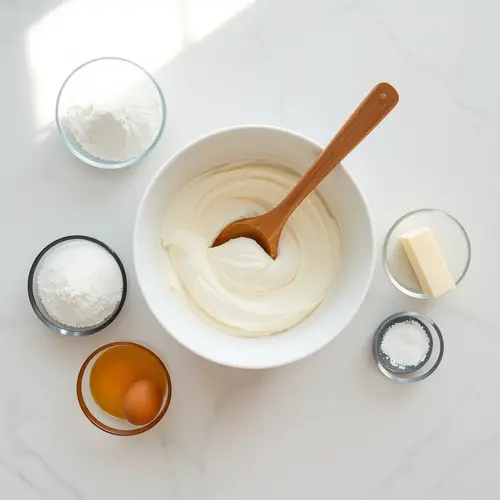
Baking is a chemical process. Consider the humble egg. As noted in foundational culinary science texts from institutions like The Culinary Institute of America, eggs serve three primary functions: they provide structure through coagulation, act as an emulsifier to bind fats and water, and incorporate air for leavening when whipped. In an easy bake recipe, each ingredient has a job.
Mis-measuring is the most common point of failure. The difference between a scoop and a spoon-and-level method for flour can add over 10% more dry ingredient, leading to a dense, dry result. Professional kitchens measure by weight for a reason. For home bakers, using the proper volumetric technique is non-negotiable.
Ingredient
Primary Role
Common Pitfall
All-Purpose Flour
Provides gluten for structure
Over-mixing develops too much gluten, creating toughness.
Granulated Sugar
Sweetness, tenderness, browning (caramelization)
Reducing sugar too much can negatively impact texture and color.
Baking Powder/Soda
Chemical leavening for rise
Using expired agents results in flat bakes.
Unsalted Butter
Flavor, tenderness, air incorporation (when creamed)
Butter at the wrong temperature (too warm or too cold) fails to cream properly.
Large Eggs
Structure, binding, moisture, leavening
Adding cold eggs to creamed butter can cause the emulsion to “break.”
Executing the Method: Where Easy Bake Recipe Experience Speaks
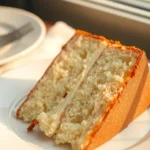
The instructions in an easy bake recipe are a sequence, not a suggestion. “Creaming” butter and sugar isn’t just mixing; it’s mechanically incorporating tiny air cells that will expand during baking, contributing to a fine crumb. This step should continue until the mixture is noticeably pale and fluffy.
Oven calibration is a silent saboteur. A report from home appliance testing labs consistently shows that a significant percentage of domestic ovens have a temperature variance of 25°F or more. An inexpensive oven thermometer is a greater tool for consistency than any premium ingredient. If your oven runs hot, your bake time collapses. If it runs cold, you get a dense, under-baked center.
The Critical Rest and Temperature Control
Here’s a contrarian take from test kitchen experience: sometimes, the best action is inaction. Cookie dough often benefits from a rest in the refrigerator. This allows the flour to fully hydrate and the fats to re-solidify, leading to better flavor development and controlled spread. Similarly, bringing ingredients like eggs and dairy to room temperature isn’t a pedantic rule. It allows for easier, more complete emulsification, ensuring a smooth, homogeneous batter that bakes evenly.
Visual and tactile cues trump timers. A toothpick inserted into the center should come out with a few moist crumbs clinging to it, not wet batter. The edges of a cake will begin to pull away from the pan, and the top will spring back lightly when touched. These are the true indicators of doneness for your easy bake recipe.
Troubleshooting Your Easy Bake Recipe: A Practical Scenario
Imagine you’ve followed a vanilla cupcake formula meticulously, but the results are sunken in the middle. The immediate suspicion is under-baking, but the toothpick test was clean. The likely culprit is over-leavening. Too much baking powder can cause a rapid, excessive rise that the structure cannot support, leading to a collapse as it cools. The fix isn’t more time in the oven; it’s carefully measuring your leavening agent next time.
Other common issues have clear roots:
Dense, heavy texture: Over-mixing the batter after adding flour, developing too much gluten.
Dry crumb: Over-measuring flour, over-baking, or an imbalance in the fat-to-flour ratio.
Burnt edges, raw center: Oven temperature too high, using a dark metal pan (which absorbs more heat) without reducing temperature by 25°F.
Poor rise: Expired leavening agents, or ingredients (like eggs) used straight from the refrigerator.
Mastering an easy bake recipe is about internalizing these principles. It transforms baking from a series of hopeful steps into a predictable, satisfying process. You begin to read a recipe and understand the *why* behind each directive, allowing you to adapt and succeed with confidence.
The goal is replicable joy. By focusing on precision, understanding ingredient interaction, and respecting the science, you equip yourself to execute any worthy easy bake recipe with guaranteed, delicious results every single time.