There is a quiet kind of joy that fills a kitchen when a cake comes out of the oven perfectly tender. The crumb yields gently. The aroma feels welcoming, almost nostalgic.
Too often, baking advice feels overwhelming. More tools. More rules. More stress.When baking becomes intuitive rather than intimidating, confidence naturally rises—and so does the quality of every slice you serve.
This guide was created to replace frustration with clarity, and guesswork with calm assurance.Not just moisture from liquids, but harmony between fat, sugar, structure, and heat. Cakes fail when one element overwhelms the others. Cakes succeed when each component quietly supports the whole.
Compare two common cakes:
A dry sponge cake relies heavily on flour and air but lacks sufficient fat.
A rich butter cake balances fat, sugar, and liquid, resulting in softness that lasts.
The difference is not skill level. It is formulation awareness.
Why Moisture Is About More Than Liquids
Many bakers assume adding milk or water solves dryness.Fats coat flour proteins. Sugars bind water molecules. Eggs emulsify everything into a stable, tender crumb.
Without this synergy, extra liquid simply evaporates.Butter offers flavor but firms as it cools. Oils, yogurt, and sour cream maintain tenderness long after baking.
Example comparison:
Butter-only cake: flavorful, but dries faster.
Oil-enhanced cake: slightly less aroma, but remarkably soft for days.
Professional bakeries often blend fats for this exact reason.
Mixing Techniques That Protect Softness
Another underestimated secret to moist cake is restraint. Overmixing activates gluten, creating chew instead of tenderness. Gentle folding preserves air pockets that trap moisture rather than squeezing it out.
Think of batter like silk, not dough. It should flow, not fight.
Temperature: The Silent Influencer
Even with perfect ingredients, incorrect heat can sabotage the secret to moist cake. Excessive oven temperature causes rapid evaporation, sealing the crust before the interior sets.
Lower, steadier heat allows moisture to remain distributed evenly. This is why professional recipes emphasize precision rather than speed.
Sugars That Do More Than Sweeten
Brown sugar, honey, and invert sugars attract and retain moisture. This chemical property is a lesser-known secret to moist cake used in commercial bakeries to extend freshness without additives.
A simple swap can dramatically improve texture without altering flavor profiles.
Building Confidence Through Practical Examples
A Simple Vanilla Cake Transformation
Take a basic vanilla cake recipe. By replacing half the butter with neutral oil and adding yogurt, the secret to moist cake reveals itself immediately. The crumb becomes velvety. The slices stay soft even the next day.
This is not culinary magic. It is applied knowledge.
Chocolate Cakes and Moisture Mastery
Chocolate cakes naturally benefit from cocoa’s hygroscopic nature. Pairing cocoa with hot liquid activates flavor while supporting the secret to moist-cake. This is why chocolate cakes often feel more forgiving than vanilla ones.
Understanding this removes fear from experimentation.
Emotional Connection: Why Moist Cakes Matter More Than We Admit
The secret to moist-cake is not just technical. It is emotional. Moist cakes are remembered. They comfort guests. They communicate care without words.
Dry cakes are forgotten quickly. Moist cakes become traditions.
When baking feels nurturing instead of stressful, creativity flourishes naturally.
Preserving Freshness Without Compromise
Storage as an Extension of Baking
Even after baking, the secret to moist-cake continues. Wrapping cakes while slightly warm traps steam that rehydrates the crumb. Airtight containers prevent moisture migration.
Refrigeration, often misunderstood, can dry cakes unless properly sealed.
Frosting as a Protective Layer
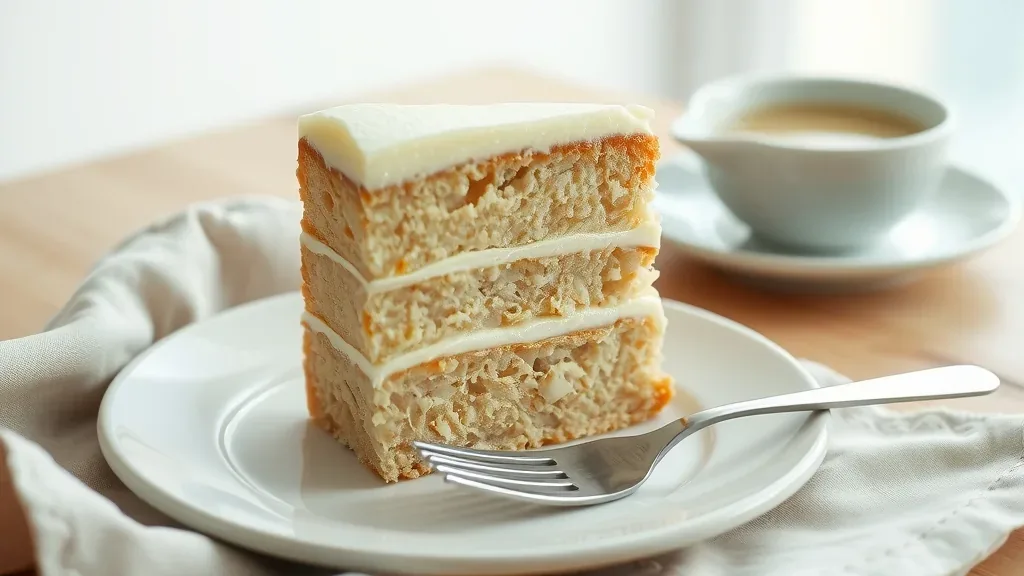
Frosting is more than decoration. It acts as a moisture barrier, reinforcing the secret to moist cake by preventing evaporation. This is why unfrosted cakes stale faster.
Troubleshooting Common Moisture Mistakes
If cakes consistently disappoint, the secret to moist-cake may be blocked by small habits:
Measuring flour by volume instead of weight
Baking too long “just to be safe”
Skipping fat substitutions out of tradition
Precision is not rigidity. It is freedom from guesswork.
Bring the Secret to Moist Cake Into Every Bake
The beauty of the secret to moist cake is its simplicity. No exotic tools. No professional kitchens. Just thoughtful choices and gentle methods.
Start with one adjustment:
Swap part of your fat
Lower your oven temperature slightly
Mix with intention, not urgency
Each small improvement compounds. Confidence grows quietly, bake by bake.
Baking That Feels Good and Tastes Better
The secret to moist cake is not hidden. It has simply been overlooked beneath noise and complexity. When baking becomes balanced, calm, and informed, results follow naturally.
A moist cake is not an accident. It is an expression of care.
And once you experience that difference, there is no reason to bake any other way.
Help with Moist Cake is worth paying for when it removes a specific blocker, not when it only adds reassurance. Before you buy anything, write down the exact question you need answered. If the offer does not address that question, it is probably not the help you need right now.
Free options come first: documentation, community answers, and one honest conversation with someone who has already done it. Most sticking points around Moist Cake are resolved at that stage, and the paid route becomes much clearer once the basics are settled.
Mistakes that cost time and money
The most common mistake with Moist Cake is treating the first option you find as the only option. Comparison is not busywork: differences in scope, support, and timing often matter more than the headline number.
The second mistake is ignoring the follow-up. Whatever you choose, plan how you will check that it worked. A quick review after two weeks catches problems while they are still cheap to fix, and it turns Moist Cake from a one-time decision into something you can improve.