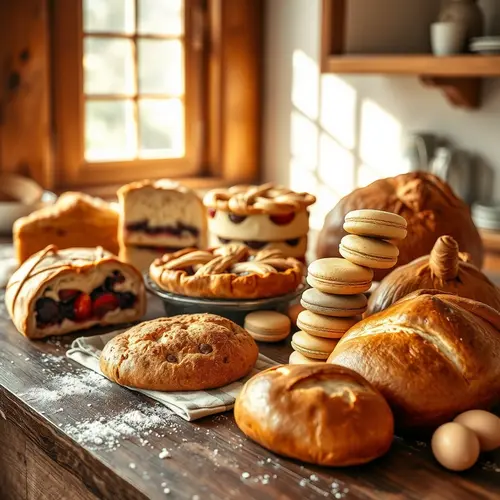
Great Baking Recipes
Great Baking Recipes form the foundation of every successful home baker’s repertoire, providing reliable formulas that consistently deliver exceptional results. Whether you’re mastering your first loaf of bread or perfecting advanced pastries, understanding the core recipes that professional bakers rely on transforms your baking from guesswork into science-backed artistry.
The difference between good and exceptional baking lies in technique, ingredient ratios, and understanding the chemistry behind each recipe. This guide explores the fundamental baking recipes that have stood the test of time across culinary traditions.
Why Great Baking Recipes Matter for Consistent Results
Professional pastry chefs and home bakers alike depend on tested formulas because baking operates on precise chemical reactions. Unlike cooking, where adjustments happen intuitively, baking requires accurate measurements and specific procedures.
According to guidelines from the Culinary Institute of America, recipe consistency stems from three factors: proper ingredient ratios, controlled mixing techniques, and accurate temperature management. These elements separate mediocre outcomes from bakery-quality results.
Many home bakers struggle because they follow recipes without understanding the underlying principles. The most common mistake? Treating baking as flexible rather than formulaic.
The Science Behind Reliable Great Baking Recipes
Every successful baking recipe balances structural ingredients (flour, eggs) against tenderizers (fat, sugar) and leavening agents (yeast, baking powder, baking soda). This ratio determines texture, crumb structure, and shelf life.
The USDA food science division has documented how gluten development affects final texture. Strong mixing creates chewy bread, while minimal handling produces tender cakes. Understanding this principle alone elevates your baking exponentially.
| Recipe Type | Primary Structure | Key Technique | Common Pitfall |
|---|---|---|---|
| Yeast Breads | Gluten network | Kneading & proofing | Over-proofing collapse |
| Layer Cakes | Air bubbles in batter | Creaming method | Deflating during mixing |
| Pie Crusts | Fat layers | Cold ingredient handling | Overworking the dough |
| Cookies | Sugar crystallization | Proper chilling | Spreading too thin |
The Seven Great Baking Recipes You Need to Master
Classic Artisan Bread: The Gateway to Great Baking Recipes
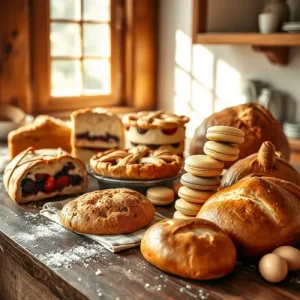
No-knead artisan bread revolutionized home baking by proving you don’t need professional equipment for bakery-quality results. This method relies on time rather than mechanical kneading to develop gluten.
The basic formula requires only four ingredients: bread flour, water, salt, and instant yeast. The key lies in hydration levels between 70-80%, which creates the signature open crumb structure.
Professional bakers at the San Francisco Baking Institute emphasize that fermentation time directly correlates with flavor complexity. Longer fermentation (12-18 hours) develops organic acids that create depth impossible to achieve through quick methods.
Butter Layer Cake: Foundation of Celebration Baking
The reverse creaming method produces superior texture compared to traditional approaches. Instead of creaming butter with sugar first, you coat flour particles with fat before adding liquids.
This technique creates a finer, more tender crumb because fat-coated flour develops less gluten when liquid is introduced. The result? Professional-quality texture without professional training.
Temperature control matters enormously here. Room temperature ingredients (65-70°F) emulsify properly, preventing curdled batter and dense texture.
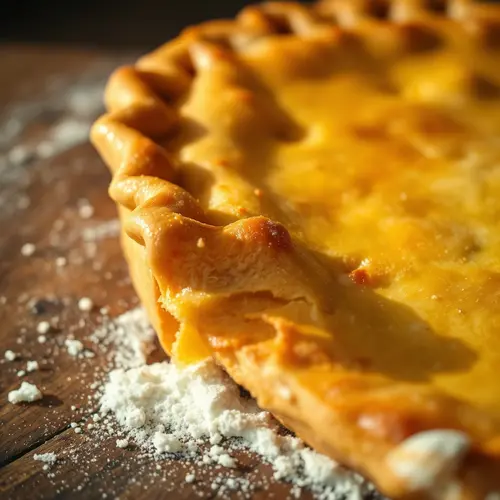
Flaky Pie Crust: The Ultimate Test of Great Baking Recipes Technique
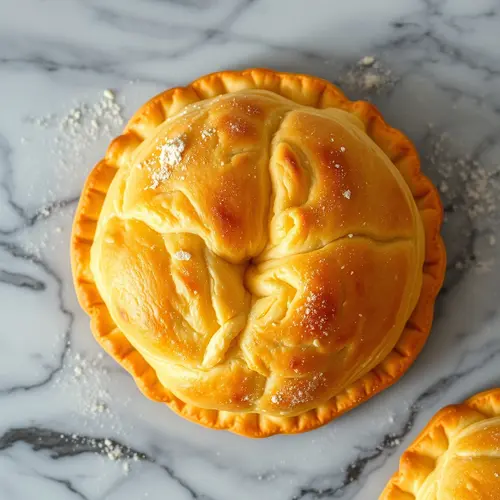
Achieving flaky layers requires keeping fat cold and avoiding overworking. The mechanism is simple: cold butter chunks create steam pockets during baking, which separate dough layers into flakes.
A contrarian view challenges the “ice water” dogma. Vodka produces flakier crusts because it contains less water than traditional methods suggest. Alcohol doesn’t develop gluten, allowing more liquid without toughness.
This technique, validated by food scientists at America’s Test Kitchen, demonstrates how understanding chemistry trumps traditional wisdom.
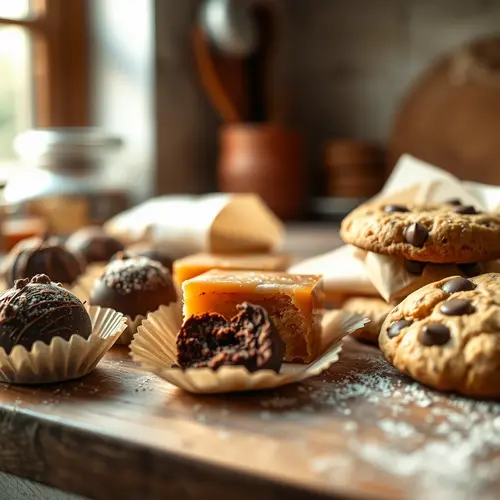
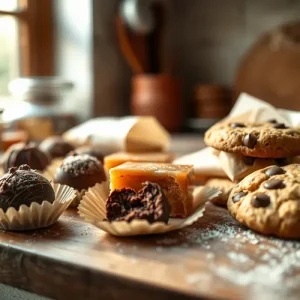
Chocolate Chip Cookies: Mastering Texture Variables
The difference between chewy, crispy, and cakey cookies comes down to three factors: sugar ratio, flour type, and baking time. Brown sugar creates chewiness through moisture retention, while white sugar promotes spread and crispness.
Chilling dough for 24-72 hours allows flour to fully hydrate and flavors to develop. This single step separates amateur cookies from professional-grade results.
Recipe developers at King Arthur Baking Company emphasize that cookie dough benefits from rest time more than any other baked good.
Sourdough Starter Bread: Living Ingredient Mastery
Natural fermentation using wild yeast creates complex flavors impossible with commercial yeast. Maintaining a healthy starter requires consistent feeding schedules and understanding fermentation indicators.
The most misunderstood aspect? Starter readiness. A mature starter doubles in 4-6 hours at room temperature and passes the float test (a spoonful floats in water). Baking before this point guarantees dense, sour bread.
French Macarons: Precision Baking Challenge
These delicate meringue cookies demand exact measurements by weight, not volume. A kitchen scale becomes mandatory equipment. The Italian meringue method (cooked sugar syrup) provides more stability than French meringue for beginners.
Humidity destroys macarons. Baking on days with relative humidity above 60% almost guarantees failure. This explains why even experienced bakers struggle inconsistently.
Brioche: Enriched Dough Excellence
High butter content (often 50% of flour weight) creates luxurious texture but requires modified techniques. The dough must develop strength before butter incorporation, or it becomes impossible to knead.
Professional bakers chill brioche dough between mixing stages because cold butter is easier to incorporate without breaking emulsion. This counterintuitive approach produces superior results.
Great Baking Recipes: The Biggest Myth Holding Back Home Bakers
After fifteen years working with home bakers, I’ve identified the single most damaging myth: “Baking is too precise for creativity.” This false dichotomy prevents experimentation and growth.
The truth? Once you master foundational Great Baking Recipes and understand their underlying mechanics, you gain freedom to adapt and innovate. Professional pastry chefs don’t rigidly follow recipes—they understand ratios and adjust based on environmental factors, ingredient variations, and desired outcomes.
The Baker’s Percentage system, standard in professional bakeries worldwide, expresses ingredients as percentages of flour weight. This framework allows scaling and adaptation while maintaining structural integrity.
Great Baking Recipes Troubleshooting Common Issues Across Multiple Recipes
Dense texture across different baked goods usually indicates one of three problems: expired leavening agents, overmixing, or incorrect oven temperature. Testing baking powder freshness takes seconds—add a teaspoon to hot water. Active powder bubbles vigorously.
Oven temperature variations plague home bakers because most ovens run 25-50°F off calibration. An oven thermometer costs less than wasted ingredients from repeated failures.
- Cakes sinking in the middle: Underbaking or opening oven door too early
- Bread refusing to rise: Dead yeast or water temperature extremes (too hot kills yeast, too cold slows activation)
- Cookies spreading excessively: Butter too warm or insufficient flour
- Pie crust shrinking: Gluten overdevelopment from overworking
- Macarons cracking: Oven temperature too high or insufficient drying time
Building Your Great Baking Recipes Collection Strategically
Start with recipes using similar techniques to build muscle memory. Master the creaming method through butter cookies before attempting layer cakes. Both use identical principles with different applications.
Document every baking session with notes about environmental conditions, ingredient brands, and results. Professional recipe developers maintain detailed logs because subtle variables create outcome differences.
The FDA’s food safety guidelines emphasize proper storage for baked goods. Most items stay fresh 2-3 days at room temperature in airtight containers. Freezing extends shelf life dramatically without quality loss for most recipes.
Great Baking Recipes Essential Tools That Actually Matter
Despite marketing claims, successful baking requires minimal specialized equipment. A kitchen scale, oven thermometer, and bench scraper handle 90% of recipes effectively.
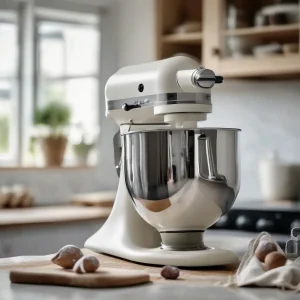
Stand mixers provide convenience but aren’t mandatory. Hand mixing builds better understanding of dough development stages. You feel texture changes that machines mask.
Silicone baking mats outperform parchment paper for cookies and pastries by providing consistent heat distribution and reusability. This single investment pays for itself within months.
Moving Beyond Great Baking Recipes
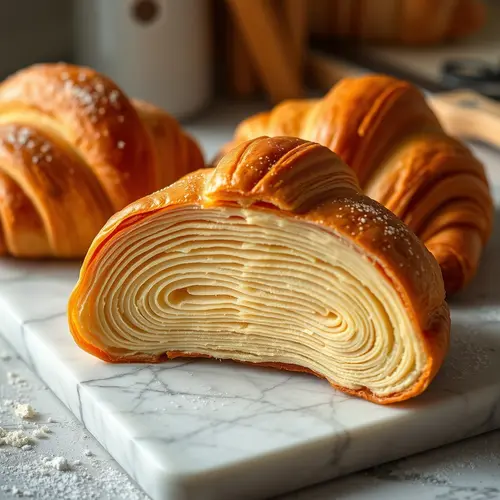
Once foundational skills solidify, exploring regional baking traditions expands your repertoire. Laminated doughs (croissants, Danish pastries) teach patience and precision. Enriched breads like challah and panettone demonstrate how fat and sugar alter fermentation dynamics.
The National Baking Center’s research shows that home bakers who master seven core recipes before expanding achieve better long-term success than those attempting dozens of recipes superficially.
Mastering Great Baking Recipes transforms baking from intimidating guesswork into confident execution, allowing you to produce consistent, professional-quality results that rival commercial bakeries. The investment in understanding fundamental techniques and reliable formulas pays dividends across every future baking project.