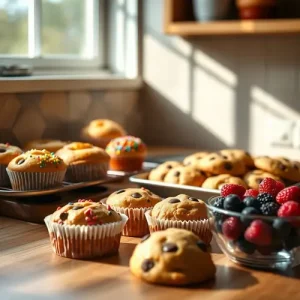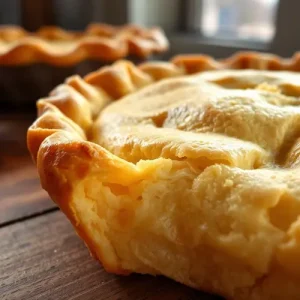
simple pastries
Simple pastries represent the foundation of baking mastery, combining minimal ingredients with precise technique to create flaky, tender results. These everyday treats—from croissants to puff pastry—rely on butter lamination, proper temperature control, and strategic folding methods that separate amateur attempts from bakery-quality products.
The science behind simple pastries centers on creating distinct layers through a process called lamination. When cold butter meets dough under controlled conditions, steam generated during baking pushes layers apart. This fundamental principle drives everything from French patisserie to American biscuits.
Understanding the Core Types of Simple Pastries
Professional bakers categorize pastries by their structural method. Puff pastry uses hundreds of butter layers for maximum lift. Shortcrust relies on fat coating flour particles to prevent gluten formation. Choux pastry creates hollow shells through rapid steam expansion.
Each category demands specific ratios. According to culinary institutes like Le Cordon Bleu, classic puff pastry maintains a 1:1 flour-to-butter ratio, while shortcrust typically uses half the fat by weight. These proportions aren’t arbitrary—they’re engineered for specific textural outcomes.
The Butter Temperature Window for Simple Pastries
Most home bakers fail because they ignore thermal precision. Butter must stay between 60-65°F during lamination. Too soft, and it absorbs into dough. Too cold, and it shatters instead of folding smoothly.
Professional pastry chefs use a technique called “plasticity testing”—pressing butter with your thumb should leave an indent without grease. This tactile feedback prevents the single biggest failure point in simple pastries.
| Pastry Type | Butter Ratio | Fold Count | Resting Time |
|---|---|---|---|
| Puff Pastry | 1:1 (flour:butter) | 6 folds (729 layers) | 30 min per fold |
| Rough Puff | 3:2 (flour:butter) | 4 folds (81 layers) | 20 min per fold |
| Shortcrust | 2:1 (flour:butter) | No folds | 30 min total |
| Choux | 4:1:1 (water:butter:flour) | N/A | None required |
Strategic Ingredient Selection Beyond Generic Recipes
Flour protein content determines gluten development. All-purpose flour (10-12% protein) works for most simple pastries, but pastry flour (8-9% protein) produces more tender results. European-style butter with 82-86% butterfat creates richer flavor and better lamination than standard American butter at 80% fat.
Water temperature matters more than most recipes acknowledge. Cold water (40-50°F) slows gluten formation and keeps butter firm. Some professional bakers add a splash of vodka or vinegar—the alcohol evaporates during baking, and acidity inhibits gluten strands for flakier texture.
The Folding Sequence That Professionals Use
A single fold creates three layers. A book fold creates four. After six single folds, you’ve generated 729 distinct layers in puff pastry. This exponential growth explains why precision matters—one sloppy fold compromises hundreds of layers.
The industry standard for simple pastries follows this pattern:
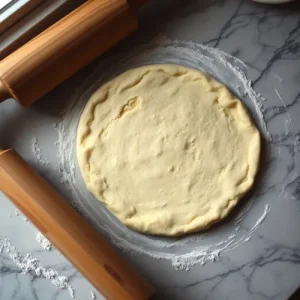
- Roll dough into a rectangle three times longer than it is wide
- Fold the bottom third up and top third down (letter fold)
- Rotate 90 degrees and refrigerate 30 minutes
- Repeat for a total of six folds
- Final rest of 2-4 hours before shaping
Troubleshooting Common Failures in Simple Pastries
Butter breakthrough happens when dough gets too warm. If you see butter spots on the surface, refrigerate immediately. Don’t try to salvage a warm lamination—you’ll end up with greasy, dense pastry instead of crisp layers.
Shrinkage during baking indicates overworked gluten. The solution isn’t more resting time—it’s gentler handling from the start. Roll with firm, decisive strokes rather than repeatedly going over the same area.
Expert Opinion: The Hydration Myth
Most recipes call for ice water without explaining why. Through extensive testing at culinary schools like the Culinary Institute of America, optimal hydration sits around 50-55% for laminated doughs. Too little water creates crumbly dough that tears during folding. Too much activates excessive gluten, causing tough, chewy results.
The contrarian insight: many bakers add water until dough “just comes together,” but this subjective measure varies with humidity, flour age, and mixing method. Weighing water produces consistent results. For every 500g flour, use 250-275ml water for simple pastries.
Baking Science: Temperature and Steam Control
Oven temperature creates the critical steam burst that separates layers. Puff pastry needs 400-425°F—hot enough for rapid steam generation but not so hot that exterior burns before interior cooks.
Professional ovens maintain consistent heat through convection fans. Home bakers compensate by preheating for 45-60 minutes and avoiding opening the door during the first 15 minutes of baking. Each door opening drops temperature by 50°F, collapsing delicate steam pockets.
The Egg Wash Variables
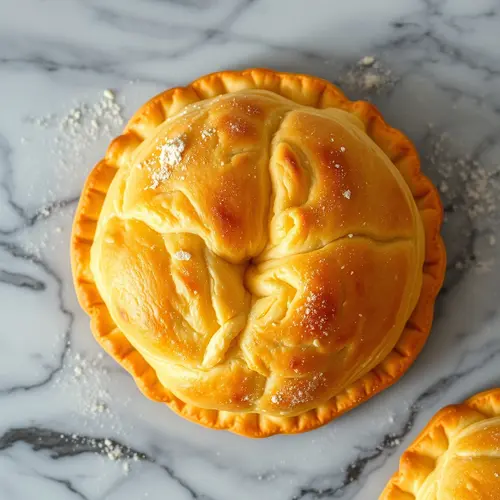
Whole egg creates golden color. Egg yolk alone produces deeper bronze. Egg white adds shine without color. For simple pastries with maximum visual appeal, professionals use one whole egg plus one yolk, thinned with a tablespoon of cream.
Application technique matters equally. Two thin coats work better than one thick layer. Brush from center outward, avoiding pooling at edges where wash can seal layers and prevent rise.
Storage and Make-Ahead Strategies
Laminated dough freezes exceptionally well for up to three months. Wrap tightly in plastic, then foil. Thaw overnight in the refrigerator—never at room temperature, which causes condensation and soggy texture.
Baked simple pastries lose crispness within hours as moisture migrates from filling to crust. Professionals refresh day-old pastries in a 350°F oven for 5-7 minutes to re-crisp layers. This technique restores 80% of original texture.
Practical Application: The 90-Minute Method
Time-pressed bakers can produce quality simple pastries using the rough puff technique. Instead of precise lamination, cut cold butter into flour until pea-sized pieces remain. Add ice water, fold four times with 15-minute rests, and bake.
Results won’t match classical puff pastry’s ethereal layers, but this method produces far superior texture compared to store-bought alternatives. It’s the approach many restaurant kitchens use for volume production.
Mastering simple pastries requires understanding the interplay between fat, flour, and temperature rather than blindly following recipes. By controlling these variables with precision, home bakers achieve professional results that elevate breakfast tables and dessert presentations alike. The techniques remain constant across centuries because they’re rooted in fundamental chemistry—not trends that shift with each baking season.