pie dough RECIPE
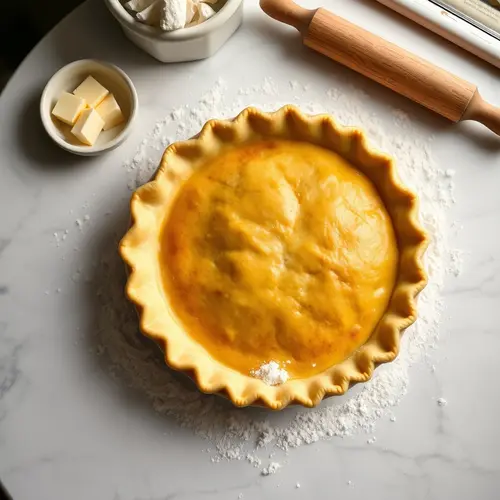
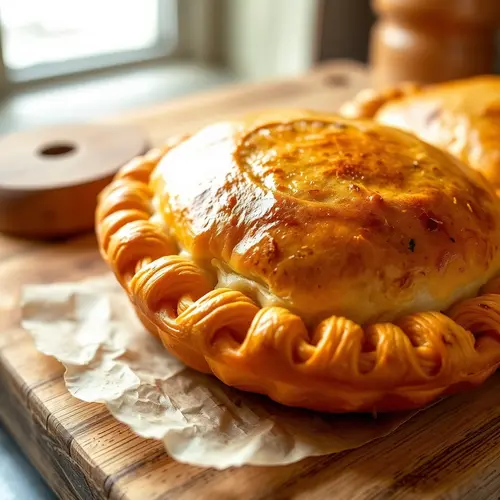
Pie dough recipe delivers flaky layers with ease. Our pasty crust secrets add extra insurance for beginners. A great pie dough Recipe forms the foundation of exceptional baking, whether you’re crafting a rustic apple pie or an elegant tart. This pie dough Recipe delivers consistent, flaky results by balancing three critical elements: cold fat, minimal gluten development, and proper hydration. Master these principles, and you’ll never struggle with tough, shrinking, or soggy crusts again.
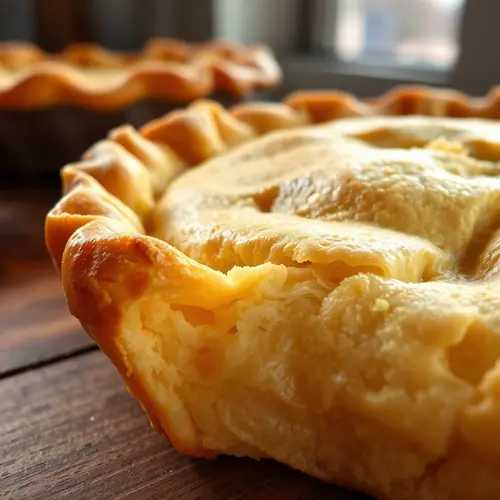
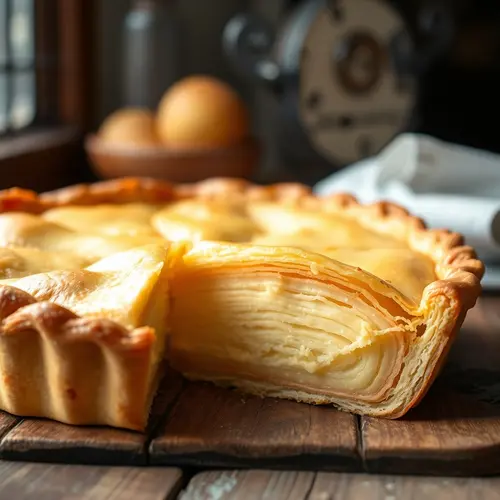
 Flakiness occurs when cold fat creates distinct layers within the dough matrix. As the crust bakes, water in the butter turns to steam, separating the flour layers and creating those signature shards. According to the USDA’s food science guidelines, maintaining ingredients below 65°F prevents premature fat incorporation, which is the leading cause of dense, cookie-like crusts.
This pie dough Recipe uses a 3:2:1 ratio by weight—three parts flour, two parts fat, one part water. Professional bakers rely on this formula because it accounts for flour protein content and environmental humidity variations. Unlike volume measurements, weight-based ratios eliminate the guesswork that causes inconsistent results.
Flakiness occurs when cold fat creates distinct layers within the dough matrix. As the crust bakes, water in the butter turns to steam, separating the flour layers and creating those signature shards. According to the USDA’s food science guidelines, maintaining ingredients below 65°F prevents premature fat incorporation, which is the leading cause of dense, cookie-like crusts.
This pie dough Recipe uses a 3:2:1 ratio by weight—three parts flour, two parts fat, one part water. Professional bakers rely on this formula because it accounts for flour protein content and environmental humidity variations. Unlike volume measurements, weight-based ratios eliminate the guesswork that causes inconsistent results.
Why This Pie Dough Recipe Works: The Science Behind Flakiness
Method: FoodSafety baking temperature charts.
Related: all butter crust.
Flakiness occurs when cold fat creates distinct layers within the dough matrix. As the crust bakes, water in the butter turns to steam, separating the flour layers and creating those signature shards. According to the USDA’s food science guidelines, maintaining ingredients below 65°F prevents premature fat incorporation, which is the leading cause of dense, cookie-like crusts.
This pie dough Recipe uses a 3:2:1 ratio by weight—three parts flour, two parts fat, one part water. Professional bakers rely on this formula because it accounts for flour protein content and environmental humidity variations. Unlike volume measurements, weight-based ratios eliminate the guesswork that causes inconsistent results.
Core Ingredients for Your Pie Dough Recipe
| Ingredient | Weight | Purpose |
|---|---|---|
| All-purpose flour (10-12% protein) | 300g (2½ cups) | Structure without excessive gluten |
| Unsalted butter, frozen | 200g (14 tbsp) | Creates steam pockets for flakiness |
| Ice water | 90-120ml (6-8 tbsp) | Binds dough while maintaining temperature |
| Fine sea salt | 6g (1 tsp) | Enhances flavor, tightens gluten structure |
| Granulated sugar (optional) | 12g (1 tbsp) | Promotes browning, adds slight sweetness |
Step-by-Step Method for This Pie Dough Recipe
Step 1: Prepare Your Mise en Place
Freeze your butter for 20 minutes and chill your mixing bowl for 10 minutes. Cut butter into ½-inch cubes while still frozen. This isn’t optional—room temperature butter will blend too thoroughly with flour, eliminating the layered structure that defines proper pie crust. Fill a glass with ice water and set aside. You’ll add water gradually, as flour absorption varies based on ambient humidity and protein content. King Arthur Baking Company notes that Southern bakers typically need 10-15% less water than those in arid climates.Step 2: Combine Dry Ingredients
Whisk flour, salt, and sugar in your chilled bowl. This distributes salt evenly, preventing localized tough spots where salt crystals draw excessive moisture. Some bakers add 2 tablespoons of cornstarch here to reduce gluten formation further, creating an exceptionally tender crumb.Step 3: Cut in the Butter
Add frozen butter cubes to flour. Using a pastry cutter or your fingertips, work quickly to break butter into pea-sized pieces. This pie dough Recipe achieves optimal texture when 30% of butter remains in large, flat pieces (for flakiness) while 70% becomes sand-like (for tenderness). Work in 60-second intervals, returning the bowl to the freezer between sessions if your kitchen exceeds 72°F. The dough should look shaggy and uneven—not uniform or paste-like.Step 4: Add Water and Form Dough
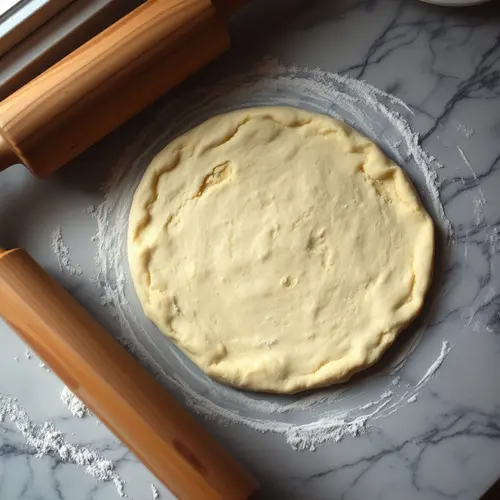
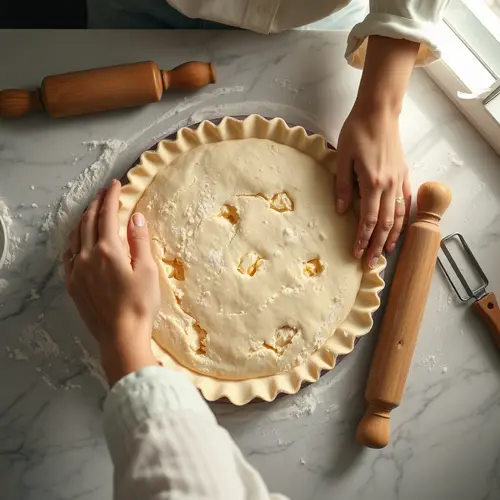
Drizzle 6 tablespoons of ice water over the flour mixture. Use a fork to toss and distribute moisture, adding additional water one tablespoon at a time. Stop when the dough just begins to clump. Squeeze a small handful—it should hold together without crumbling but not feel sticky or wet. Turn the mixture onto a clean surface and use a bench scraper to gather it into a mound. Press gently to form a disc without kneading. Kneading develops gluten, which makes crusts chewy instead of tender.Step 5: Rest and Chill
Wrap the disc tightly in plastic and refrigerate for at least 2 hours, or up to 3 days. This rest period allows flour to fully hydrate and gluten strands to relax. According to Cooks Illustrated testing protocols, chilled dough shrinks 40% less during baking compared to freshly mixed dough.Expert Troubleshooting for Your flaky dough
Shrinking crusts signal overworked gluten or insufficient rest time. If your dough springs back aggressively when rolled, return it to the refrigerator for 30 minutes. The gluten network needs time to relax after mechanical manipulation. Soggy bottom crusts occur when moisture from fillings prevents browning. Blind bake your crust with pie weights for 15 minutes at 425°F before adding wet fillings. Brush the prebaked shell with a thin layer of beaten egg white, then bake 2 minutes more to create a moisture barrier. Tough, dense texture indicates gluten overdevelopment. Ensure you’re measuring flour correctly—spoon it into your measuring cup and level off rather than scooping directly from the bag, which compacts flour and adds 20-30% more by weight.Advanced Variations of This flaky dough
For savory applications, replace sugar with 1 teaspoon of dried herbs like thyme or rosemary. Whole wheat flour can substitute for up to 30% of all-purpose flour, adding nutty complexity without compromising structure. Reduce water by 1 tablespoon when using whole grain flours, as they absorb liquid more slowly. The European method incorporates 25% of the butter directly into the flour mixture, then adds the remaining 75% in large pieces. This creates a hybrid texture—tender yet dramatically flaky—preferred for galettes and free-form tarts.Expert Opinion: Debunking the Vodka Myth
Food science publications popularized adding vodka to pie dough, claiming alcohol doesn’t develop gluten like water does. While technically accurate, side-by-side testing reveals negligible textural differences. The real benefit? Vodka provides psychological permission to add more liquid without fear, helping tentative bakers achieve proper hydration. A well-executed traditional pie dough Recipe with correct technique produces identical results without specialty ingredients.Storage and Make-Ahead Strategy
Wrapped dough keeps refrigerated for 3 days or frozen for 3 months. Thaw frozen dough overnight in the refrigerator, never at room temperature. Roll dough between parchment sheets to minimize flour addition, which toughens the final crust. Pre-rolled crusts can line pie plates and freeze directly. Stack them with parchment separators for quick weeknight baking. This pie dough Recipe scales easily—double or triple batches maintain the same ratios and technique.Final Thoughts on Mastering Your flaky dough
Exceptional pie crust isn’t mystical—it’s mechanical. Control temperature, limit gluten development, and allow adequate rest time. This pie dough Recipe works because it respects the fundamental chemistry of flour, fat, and water interaction. Practice the technique until your hands recognize proper texture by feel, and you’ll produce bakery-quality results consistently.Related Guides
See also how to bake a cake step by step, cooking with kids fun and easy recipes to make together, danish baking recipes, how to bake a cake in a convection oven, different baked goods.
How long should dough chill?
Chill at least one hour. Overnight works well. Keep it firm to roll.
Why does dough shrink?
Overwork and no rest cause shrink. Relax gluten well. Use light flour dust.
Can we make ahead?
Yes, chill up to two days. Freeze longer. Thaw slowly before use.