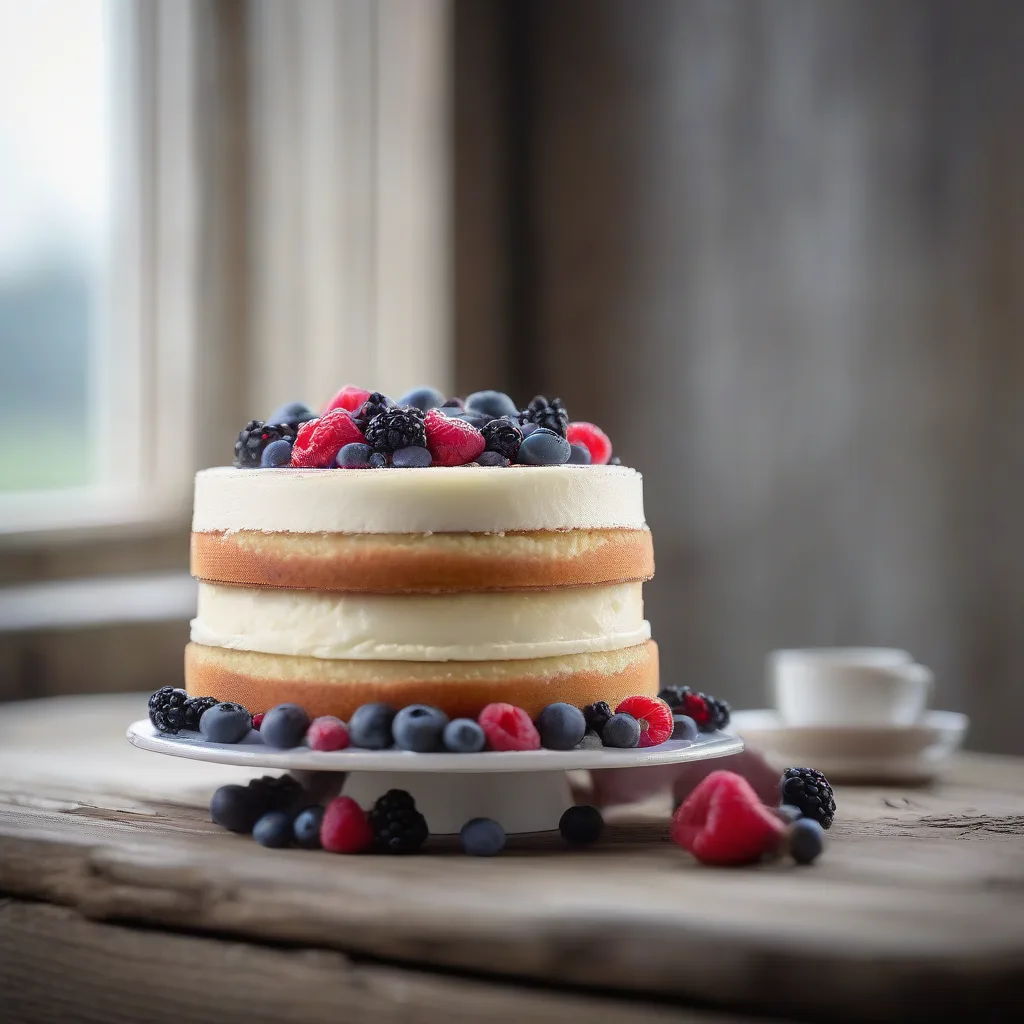
Vanilla Naked Cake: Elegant Layers for Celebrations
A vanilla naked cake brings quiet sophistication to any celebration table. No heavy fondant. No overpowering decorations. Just soft layers, gentle frosting, and an effortless elegance that feels warm, intentional, and deeply inviting. This is the kind of cake that does not demand attention—it earns it.
In a world of excess, this minimalist dessert speaks softly and confidently. And when done right, it leaves a lasting impression that feels both comforting and refined.
Why a Vanilla Naked Cake Feels Timeless and Modern
The enduring appeal of a this showstopper cake lies in its balance. It celebrates flavor and texture rather than ornamentation. The exposed layers invite trust. What you see is what you taste—tender crumb, delicate sweetness, and restrained indulgence.
Unlike heavily frosted cakes, this style allows each element to breathe. Vanilla becomes aromatic rather than cloying. Cream feels light, not overwhelming. The result is a dessert that feels suitable for everything from intimate gatherings to elegant celebrations.
The Foundation of a Soft Vanilla Naked Cake
A truly memorable this showstopper cake begins with structure. Softness is not accidental; it is cultivated through thoughtful ingredient harmony and measured technique. Flour provides form, fats provide tenderness, and liquids create cohesion.
Oil-based vanilla cakes often remain softer longer than butter-only versions. Butter brings flavor, but oil preserves moisture. The most successful recipes often use a gentle combination of both, achieving richness without dryness.
Ingredient Choices That Define Texture and Flavor
The purity of a this showstopper cake leaves no place for shortcuts. Vanilla extract or paste should be aromatic and authentic. Sugar should sweeten without overpowering. Eggs should emulsify, not dominate.
Example comparison:
-
Artificial vanilla: flat sweetness, fleeting aroma
-
Real vanilla extract: warm complexity, lingering finish
These small distinctions elevate the entire experience.
Baking for Tenderness, Not Height
Unlike towering celebration cakes, a this showstopper cake values evenness over volume. Overbaking is the most common mistake. A slightly pale surface and springy center signal success.
Lower, steady oven temperatures encourage uniform baking and prevent moisture loss. The cake should feel supple, not rigid, when gently pressed.
Frosting with Restraint and Intention
The frosting on a vanilla naked cake is meant to whisper, not shout. A thin veil of cream stabilizes the layers while allowing the cake itself to remain the hero.
Comparison:
-
Thick frosting: visually heavy, flavor-dominant
-
Light frosting: elegant, balanced, texturally harmonious
This restraint creates visual poetry and enhances mouthfeel.
Layering for Stability and Beauty
Even layers are essential. Leveling each tier ensures that the vanilla naked cake stands tall and slices cleanly. Filling should be smooth and evenly distributed, never excessive.
This structural discipline prevents sliding and preserves the cake’s natural grace.
Storage Secrets That Preserve Softness
A vanilla naked cake benefits from thoughtful storage. Lightly wrapped and refrigerated, it maintains freshness without drying. Allowing it to return to room temperature before serving restores its tender crumb and full aroma.
Exposure to air is the enemy of softness. Protection is an extension of care.
Presentation That Feels Effortlessly Elegant
The beauty of a vanilla naked cake lies in subtlety. Fresh berries, edible flowers, or a light dusting of powdered sugar enhance without distraction. These accents feel organic, never forced.
The goal is not perfection, but natural charm.
Why This Cake Leaves a Lasting Emotional Impression
A vanilla naked cake feels personal. It suggests intention rather than extravagance. Guests sense the care behind it. They remember the softness. The calm sweetness. The way it made them feel welcome.
This is a cake that creates atmosphere, not noise.
Create Confidence Through Simplicity
The next time an occasion calls for something meaningful, choose a vanilla naked cake. Focus on softness. Embrace restraint. Trust the elegance of simplicity.
Start with quality ingredients. Bake gently. Frost lightly. Let the cake speak for itself.
Elegance That Never Tries Too Hard
A thoughtfully made vanilla naked cake proves that beauty does not require excess. Its softness invites comfort. Its appearance conveys confidence. Its flavor lingers quietly, long after the last slice is gone.
When simplicity is handled with care, it becomes unforgettable.
Troubleshooting Quick Table
| Issue | Fix |
|---|---|
| Domed layers | Trim tops flat while slightly warm |
| Sliding tiers | Chill 30 minutes and add dowels |
| Dry crumb | Brush layers with simple syrup |
| Melting frosting | Chill bowl, frost in a cool room |
Follow a simple make-ahead timeline. Two days out, bake the layers, cool fully and wrap airtight. One day out, level, fill and stack, then chill the built cake overnight so flavors settle and tiers firm up. On serving day, apply the thin outer coat, decorate with fresh berries and let the cake stand at cool room temperature for one hour before slicing with a hot dry knife.
Serve at cool room temperature within a day for peak softness, and refrigerate leftovers airtight for up to three days. Bring slices back to room temperature twenty minutes before serving so the crumb relaxes.
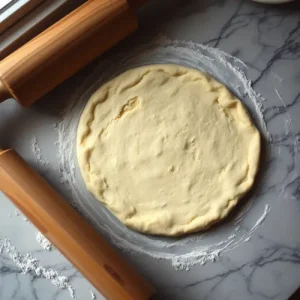
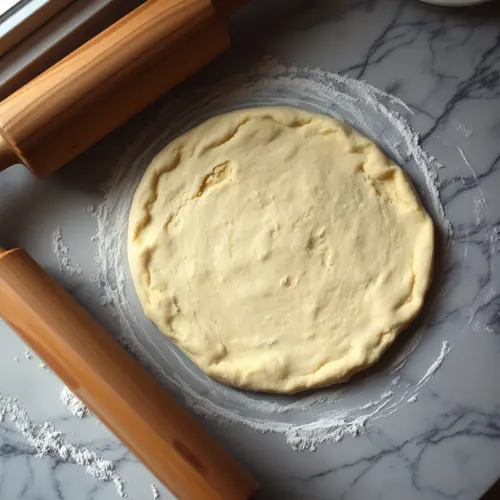
Master the base with our step-by-step cake guide and flaky pie dough method; compare frosting technique with the King Arthur naked cake decorating guide.
Verdict: a vanilla naked cake rewards restraint at every stage. Bake level layers, fill with intent, frost thinly and finish fresh. Follow this playbook and your next celebration centerpiece practically styles itself.
Storage and Food Safety Basics
Refrigerate the finished cake whenever frosting contains dairy, and never leave it at warm room temperature beyond two hours. Store leftovers in an airtight container with parchment between slices to protect the exposed sides. Label with the bake date, enjoy within three days, and discard anything that smells off or weeps liquid.
How do I keep the layers from drying out?
Brush each layer with simple syrup, avoid overbaking by testing early, and assemble within a day. A thin crumb coat plus proper storage locks in moisture without hiding the layers.
Can I make the layers ahead of time?
Yes, bake layers a day early, cool fully, then wrap airtight and refrigerate. Level and fill cold layers for cleaner stacking, then frost on serving day.
Which frosting works best for beginners?
A simple American buttercream or stabilized whipped cream spreads easily and holds shape. Keep it smooth, apply thinly, and let chill time do the hard work.