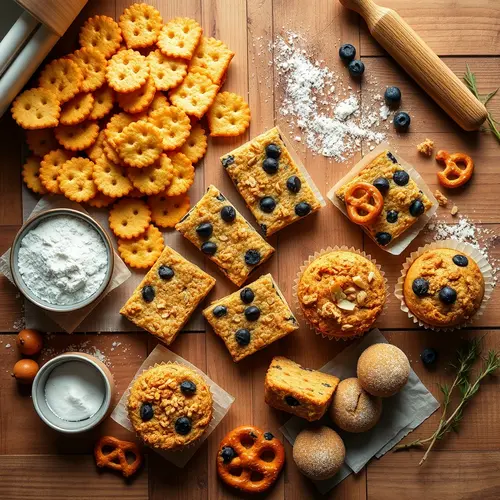
Baking Snacks
If you want to create delicious homemade treats that rival anything from a bakery, mastering Baking Snacks is your gateway to endless possibilities. Whether you’re preparing grab-and-go options for busy mornings or crafting impressive party appetizers, the fundamental techniques remain consistent across recipes. The key lies in understanding ingredient ratios, temperature control, and timing precision.
Understanding the Core Science Behind Baking Snacks
The chemistry of baking transforms simple ingredients into complex flavor profiles and textures. Flour proteins develop gluten structure, fats create tender crumb, and leavening agents provide lift. According to food science research from institutions like the Culinary Institute of America, the Maillard reaction—the browning that occurs between amino acids and sugars—creates the signature golden color and rich flavor in baked goods.
Temperature matters profoundly. Most Baking Snacks require precise oven calibration. An oven thermometer reveals that many home ovens run 25-50 degrees off their displayed temperature. This discrepancy explains why recipes fail despite following instructions exactly.
Seven Categories of Baking Snacks Worth Perfecting
Crackers and Savory Bites
Homemade crackers deliver unmatched freshness and customization. The dough requires minimal hydration—just enough to bind the flour without creating elasticity. Rolling thickness determines the final texture: paper-thin yields crispy shards, while thicker cuts produce hearty crunch.
Cheese crackers benefit from cold butter incorporation, similar to pie crust technique. The fat coats flour particles, preventing excessive gluten development. Sharp aged cheeses provide concentrated flavor without adding moisture that would compromise crispness.
Sweet Bars and Squares
Bar cookies streamline the Baking Snacks process by eliminating individual portioning. A proper base layer needs adequate structure to support toppings without becoming hard. The ratio typically runs 2 parts flour to 1 part fat to 1 part sugar for optimal texture.
Overbaking represents the most common mistake with bar snacks. Remove pans when centers still appear slightly underdone—carryover heat continues cooking during cooling. This approach prevents dry, crumbly results.
Muffins and Quick Breads
The muffin method—combining dry and wet ingredients separately before gentle folding—prevents tough, tunneled crumb. Overmixing develops gluten strands that create chewy texture instead of tender bite. Lumpy batter produces superior results compared to smooth mixtures.
| Snack Type | Ideal Baking Temperature | Average Baking Time | Key Success Factor |
|---|---|---|---|
| Crackers | 350°F | 12-15 minutes | Even rolling thickness |
| Bar Cookies | 325-350°F | 25-35 minutes | Slight underbaking |
| Muffins | 375-400°F | 18-22 minutes | Minimal mixing |
| Biscuits | 425-450°F | 12-15 minutes | Cold ingredients |
| Energy Bites (no-bake) | N/A | Refrigerate 30 min | Proper binding ratio |
Professional Ingredient Selection for Baking Snacks
Flour Fundamentals
All-purpose flour serves most applications adequately, but understanding protein content unlocks precision. Cake flour (7-9% protein) creates tender, delicate textures. Bread flour (12-14% protein) builds structure for chewy pretzels or hearty crackers. Whole grain flours add nutritional value and nutty flavor but absorb more liquid—increase hydration by 2 tablespoons per cup when substituting.
Fat Selection Impact
Butter delivers superior flavor but lower moisture content compared to oil. European-style butter contains 82-85% butterfat versus American butter’s 80%, producing richer taste and flakier texture. Coconut oil works for dairy-free Baking Snacks but solidifies at room temperature, affecting shelf stability.
Sugar Beyond Sweetness
Sugar provides sweetness but also controls moisture retention, browning, and texture. Brown sugar contains molasses, creating chewier results and deeper caramel notes. Granulated sugar produces crispier edges. Reducing sugar by more than 25% compromises structure and shelf life—sugar acts as a preservative by binding water molecules.
Essential Techniques for Baking Snacks Success
- Mise en place: Measure all ingredients before starting. Room temperature eggs and dairy incorporate more evenly than cold ingredients.
- Proper creaming: Beat butter and sugar for 3-5 minutes until pale and fluffy. This incorporates air for lighter texture.
- Accurate measuring: Spoon flour into cups and level with a knife. Scooping directly packs flour, adding 20-30% more than recipes require.
- Rotation protocol: Rotate pans halfway through baking to compensate for oven hot spots and ensure even browning.
- Cooling discipline: Allow baked goods to cool completely before cutting bars or removing delicate items from pans.
Expert Troubleshooting Common Baking Snacks Problems
Dense, Heavy Texture
This issue stems from expired leavening agents or overmixing. Baking powder and baking soda lose potency after six months. Test by dropping a teaspoon into hot water—vigorous bubbling confirms activity. Dense results also occur when measuring flour incorrectly or substituting ingredients without adjusting ratios.
Spreading or Flattening
Excessive spreading happens when dough is too warm or contains insufficient flour. Chill dough for 30 minutes before baking. Check butter temperature—softened means 65-68°F, not melted. Using melted butter when recipes call for softened creates thin, greasy results.
Dry, Crumbly Outcome
Overbaking represents the primary culprit, but insufficient fat or excess flour also contribute. Set timers for the minimum baking time and check doneness. Most Baking Snacks continue firming as they cool—what seems underbaked often reaches perfect texture after resting.
Storage Strategies for Maximum Freshness
Proper storage extends the life of Baking Snacks significantly. Airtight containers prevent moisture absorption that causes sogginess in crispy items or staleness in soft baked goods. Layer parchment between stacked cookies to prevent sticking.
Freezing works beautifully for most recipes. Flash-freeze items on a baking sheet before transferring to freezer bags—this prevents clumping. Most baked snacks maintain quality for three months frozen. Thaw at room temperature or refresh in a 300°F oven for 5 minutes.
Healthier Adaptations Without Sacrificing Quality
Nutrition-conscious bakers can modify traditional Baking Snacks while preserving taste and texture. Replace up to half the all-purpose flour with whole wheat pastry flour—its finer grind maintains tenderness better than regular whole wheat. Greek yogurt substitutes for some butter or oil, adding protein while maintaining moisture.
Natural sweeteners like maple syrup or honey replace refined sugar but require adjustments. Reduce liquid ingredients by 3 tablespoons per cup of liquid sweetener used. These alternatives brown faster, so decrease oven temperature by 25 degrees.
Expert Opinion: The Myth of Exact Recipe Following
After years of professional baking experience, I’ve learned that slavish recipe adherence often produces mediocre results. Environmental factors—humidity, altitude, ingredient brands—create variables that recipes cannot account for. Develop judgment by observing dough consistency and baked appearance rather than relying solely on timers and measurements.
The best bakers treat recipes as frameworks, not commandments. If dough seems too dry, add liquid by the teaspoon. If batter appears thin, incorporate more flour. Trust sensory feedback—dough should feel smooth and slightly tacky, not sticky or crumbly. This adaptive approach separates competent home bakers from exceptional ones.
Building Your Baking Snacks Repertoire
Start with three reliable recipes and perfect them before expanding. Master a basic shortbread, a simple granola bar, and versatile muffins. These foundational skills transfer to dozens of variations. Understanding why recipes work matters more than memorizing ingredient lists.
Experiment systematically by changing one variable at a time. Swap chocolate chips for dried fruit, or replace vanilla with almond extract. Document results to build personal recipe archives. This methodical approach develops intuition that transforms good bakers into great ones.
The satisfaction of creating homemade Baking Snacks extends beyond cost savings or dietary control. The process builds confidence, creativity, and connection. Whether preparing afterschool treats or sophisticated entertaining options, these skills provide lifelong value. Master the fundamentals, embrace experimentation, and enjoy the delicious results of your efforts.