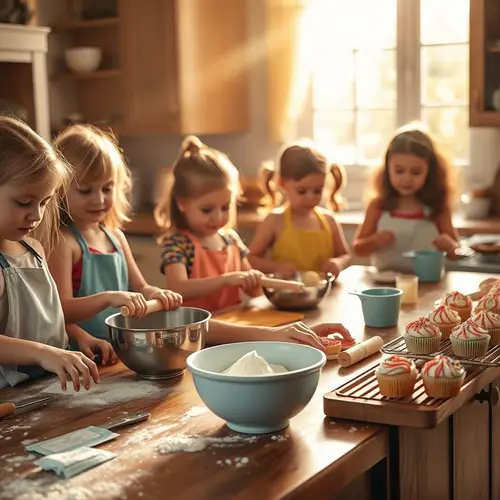
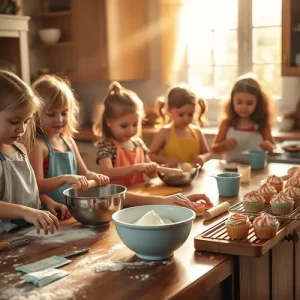
Looking for Fun Baking Ideas For Kids that keep them engaged while teaching valuable skills? Baking with children creates lasting memories while building their confidence in the kitchen. The best projects balance simplicity with enough hands-on involvement to keep young bakers excited from start to finish.
According to the American Academy of Pediatrics, cooking activities help children develop fine motor skills, mathematical thinking, and an understanding of cause-and-effect relationships. The kitchen becomes a natural classroom where measuring cups teach fractions and timers introduce time management.
Why Fun Baking Ideas For Kids Matter Beyond the Recipe
Baking teaches patience in ways few other activities can match. Children learn that rushing the process leads to burnt cookies or flat cakes. They discover that following instructions produces consistent results, while small modifications create entirely new outcomes.
The sensory experience alone makes baking invaluable. Kids knead dough, smell vanilla extract, watch butter melt, and hear mixers whir. These multisensory experiences strengthen neural pathways and create stronger memory formation than passive activities.
Safety protocols naturally emerge during baking sessions. Hot ovens, sharp utensils, and raw eggs provide teachable moments about kitchen hazards without being preachy. Children who bake regularly develop better situational awareness and responsible behavior around potential dangers.
Essential Fun Baking Ideas For Kids: Beginner Level
No-Bake Energy Balls
These require zero oven time, making them perfect for younger children or hot summer days. Mix oats, nut butter, honey, and chocolate chips in a bowl. Kids roll the mixture into balls and refrigerate for an hour.
The recipe is forgiving enough that exact measurements matter less than traditional baking. Children develop confidence when they realize their creations turn out delicious regardless of minor variations.
Decorated Sugar Cookies
Use pre-made sugar cookie dough to eliminate the most technical steps. Children focus entirely on cutting shapes and decorating with icing and sprinkles. This project emphasizes creativity over precision.
Set up decorating stations with different colored icings, edible glitter, and various toppings. The assembly-line approach keeps multiple children engaged simultaneously without crowding the workspace.
Personal Pizzas
While technically savory baking, personal pizzas teach dough handling and topping distribution. Use store-bought dough or English muffins as bases. Each child customizes their creation with sauce, cheese, and toppings.
The immediate gratification of eating their own pizza reinforces positive associations with cooking. Children who resist vegetables often consume them willingly when they placed them on their own pizza.
Intermediate Fun Baking Ideas For Kids
Homemade Bread
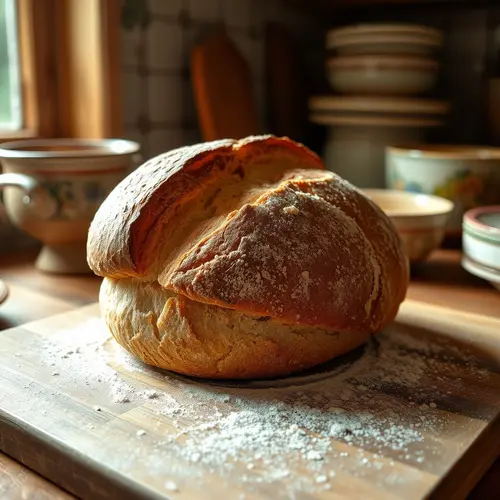
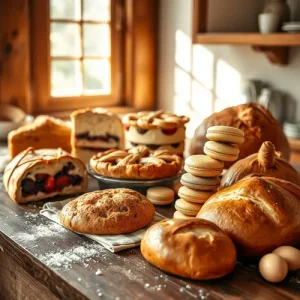
Nothing beats the satisfaction of kneading dough and watching it rise. Simple white bread recipes require only five ingredients: flour, water, yeast, salt, and sugar. The transformation from sticky dough to golden loaf demonstrates biological processes in real-time.
Children learn delayed gratification as they wait for dough to proof. The punching-down step between rises provides a satisfying physical outlet that makes the waiting easier.
Fruit Muffins
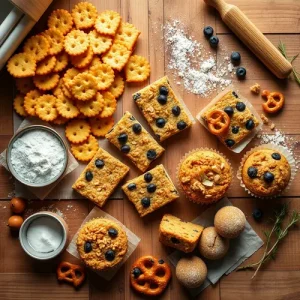
Muffins teach the muffin method, where wet and dry ingredients stay separate until the final moment. Kids measure ingredients, crack eggs, and master the “mix until just combined” technique. Overmixing creates tough muffins, providing immediate feedback about proper technique.
Fresh or frozen berries work equally well, making this recipe adaptable to seasonal availability. The USDA recommends incorporating whole grains and fruit into children’s diets, making these muffins both educational and nutritious.
Decorated Cupcakes
Cupcakes introduce piping bags and frosting techniques. Start with boxed cake mix to simplify the baking process, then focus energy on decoration. Children practice fine motor control while piping swirls and creating designs.
Theme-based decorating challenges spark creativity. Ask kids to design cupcakes representing seasons, animals, or favorite characters using only frosting and edible decorations.
Advanced Projects for Fun Baking Ideas For Kids
Layer Cakes with Filling
Multi-layer cakes demand planning and precision. Children learn to level cake layers, apply crumb coats, and stack evenly. The engineering aspect appeals to kids who enjoy building and construction.
Homemade frosting recipes teach emulsification and the importance of room-temperature ingredients. Butter that’s too cold creates lumpy frosting, while melted butter makes runny icing.
Homemade Pasta and Filled Ravioli
Fresh pasta requires only flour and eggs, yet the transformation feels magical. Children operate hand-crank pasta machines or rolling pins to achieve paper-thin sheets. Filling and sealing ravioli develops fine motor skills and attention to detail.
The immediate cooking and eating reinforces the connection between effort and reward. Fresh pasta cooks in minutes, providing faster gratification than many baking projects.
Puff Pastry Creations
While making puff pastry from scratch proves too advanced for most children, working with store-bought puff pastry offers plenty of learning opportunities. Kids cut shapes, fill pastries, and egg-wash surfaces for golden finishes.
The dramatic rise in the oven captivates young bakers. Watching flat dough puff into flaky layers demonstrates how heat transforms ingredients.
Fun Baking Ideas For Kids Age-Appropriate Project Selection Guide
Age Range
Recommended Projects
Skills Developed
Adult Supervision Level
3-5 Years
No-bake balls, cookie decorating, personal pizzas
Mixing, rolling, spreading, basic measuring
Constant supervision, handle all hot items
6-8 Years
Muffins, simple cookies, bread dough
Measuring, cracking eggs, mixing techniques
Close supervision, assist with oven operation
9-12 Years
Cupcakes, layer cakes, filled pastries
Following complex recipes, timing, temperature awareness
General oversight, independent oven use with permission
Equipment Essentials for Fun Baking Ideas For Kids Safe and Successful Baking
Invest in child-sized tools when possible. Smaller measuring cups fit little hands better than adult versions. Lightweight mixing bowls prevent spills and reduce fatigue during extended projects.
Silicone baking mats eliminate the need for greasing pans and create non-stick surfaces that children can handle safely. They withstand high temperatures and clean easily, making them practical for repeated use.
Digital kitchen scales teach metric measurements and provide more accuracy than volume measurements. Children grasp the concept of weight-based measuring quickly, especially when baking European recipes that specify grams instead of cups.
Fun Baking Ideas For Kids – Common Mistakes and How to Avoid Them
Rushing the Creaming Process
Many cookie and cake recipes begin by creaming butter and sugar. This step incorporates air into the mixture, creating lighter textures. Rushing creates dense results. Teach children to cream for at least three minutes until the mixture looks pale and fluffy.
Overmixing Batter
Once flour meets liquid, gluten development begins immediately. Overmixing creates tough, chewy textures in cakes and muffins. Demonstrate the “mix until just combined” technique, showing children that small lumps in batter are acceptable.
Incorrect Oven Temperature
Invest in an oven thermometer to verify accuracy. Many home ovens run hot or cold by 25-50 degrees. Children learn that baking is scientific, requiring precise temperatures for predictable results.
Fun Baking Ideas For Kids: The Educational Power of Failed Batches
Contrary to popular belief, perfectly executed recipes teach less than occasional failures. When cookies spread too much or cakes sink in the middle, children engage in authentic problem-solving. They hypothesize about causes and test solutions in subsequent attempts.
Professional bakers experience failures regularly during recipe development. Normalizing mistakes in the home kitchen builds resilience and encourages experimentation. The child who learns to analyze what went wrong develops critical thinking skills that extend far beyond baking.
Document failures alongside successes in a baking journal. Children photograph their creations and note what worked or needs adjustment. This record-keeping mirrors professional recipe development and validates the iterative nature of skill-building.
Fun Baking Ideas For Kids – Adapting Recipes for Dietary Restrictions
Many Fun Baking Ideas For Kids accommodate common allergies and dietary preferences with simple substitutions. Applesauce replaces eggs in many recipes at a ratio of 1/4 cup per egg. The texture changes slightly, but results remain delicious.
Gluten-free baking requires different techniques than traditional recipes. Use pre-mixed gluten-free flour blends designed for baking rather than single-flour alternatives. These blends include xanthan gum or other binders that mimic gluten’s structural properties.
Dairy-free baking substitutes coconut oil or vegan butter for regular butter in most recipes. Non-dairy milk replaces cow’s milk one-to-one in virtually all applications. Children with dairy allergies participate fully in baking activities with these simple swaps.
Creating Baking Traditions and Fun Baking Ideas For Kids Connections
Establish regular baking days that children anticipate. Sunday morning pancakes, Friday pizza nights, or monthly birthday cake practice sessions create rhythm and routine. These traditions become cherished memories that children carry into adulthood.
Pass down family recipes with stories attached to each one. Children connect more deeply with great-grandmother’s brownie recipe when they hear about the era when chocolate was rationed or expensive. The recipe becomes a tangible link to family history.
Photograph the process, not just finished products. Action shots of children measuring, mixing, and laughing capture the true essence of baking together. These images document growth and skill development over months and years.
Seasonal Fun Baking Ideas For Kids
Spring Projects
Lemon bars, carrot cake muffins, and bird’s nest cookies celebrate spring flavors and themes. Use natural food coloring from vegetables and fruits to create pastel shades without artificial dyes.
Summer Baking
Focus on no-bake options and fruit-forward recipes during hot months. Icebox cakes, fruit pizza on cookie crusts, and frozen yogurt bark require minimal oven time while maximizing fresh produce.
Autumn Recipes
Pumpkin bread, apple crisp, and cinnamon rolls embrace fall flavors. Children practice peeling and chopping apples, measuring spices, and working with yeast dough as temperatures cool.
Winter Specialties
Gingerbread houses, sugar cookies for decorating, and hot chocolate bombs turn baking into holiday activities. The extended indoor time during winter makes ambitious projects more feasible.
Quick Tips for Fun Baking Ideas For Kids Sessions
Prep ingredients beforehand and organize them in small bowls for easy access
Read the entire recipe together before starting to prevent surprise steps
Set realistic time expectations that include cleanup, not just active baking
Keep paper towels and cleaning supplies readily available throughout the session
Allow children to make messes within reason – excessive cleaning interrupts learning flow
Take breaks if frustration builds rather than pushing through difficult moments
Celebrate effort and learning regardless of aesthetic results
Save a small amount of dough or batter for children to experiment freely
Building Lifelong Skills Through Fun Baking Ideas For Kids
The kitchen offers unparalleled opportunities for hands-on learning that engages multiple senses and skills simultaneously. Fun Baking Ideas For Kids extend far beyond creating treats – they build mathematical reasoning, scientific thinking, reading comprehension, and self-confidence.
Children who bake regularly develop healthier relationships with food and better understanding of nutrition. They recognize ingredients in their natural forms and understand how heat and time transform raw materials into finished products.
Start simple, maintain patience, and gradually increase complexity as skills develop. The memories created and skills learned in the kitchen become foundational elements of a well-rounded childhood that prepares young people for independent, capable adulthood.