There are few kitchen disappointments more deflating than slicing into a cake that feels stiff, dry, and uninviting. A dessert meant to bring joy suddenly feels like a mistake. Yet this moment does not mean failure. Learning how to soften hard cake is less about rescue and more about understanding the quiet science of moisture, time, and care.
Even experienced bakers face this challenge. Cakes harden for many reasons—storage, overbaking, or simply the passing of time. The comforting truth is that texture can often be restored. With the right approach, yesterday’s disappointment can become today’s delightful surprise.
Why Cakes Become Hard in the First Place
Before mastering how to soften hard cake, it helps to understand why it happens. Cakes harden when moisture migrates out of the crumb. This process, known as starch retrogradation, causes the internal structure to tighten and lose elasticity.
Common Causes of Hard Cake
Overbaking that evaporates too much internal moisture
Improper storage that allows air exposure
Lean recipes with insufficient fat or sugar
Refrigeration without proper sealing
A sponge cake, for example, dries much faster than a butter-rich pound cake. The difference lies in fat content, not skill. Recognizing this distinction removes unnecessary guilt and replaces it with practical clarity.
Proven Methods That Truly Work
Gentle Heat: The Fastest Restoration Method
One of the most reliable answers to how to soften hard cake is controlled warmth. Heat relaxes starch molecules and redistributes residual moisture.
Wrap individual slices in foil and warm them briefly in the oven. The transformation is subtle yet profound. The crumb loosens. The aroma revives. Texture becomes inviting again.
Oven warming with foil: balanced heat, restored tenderness
Moisture Infusion Techniques That Feel Almost Magical
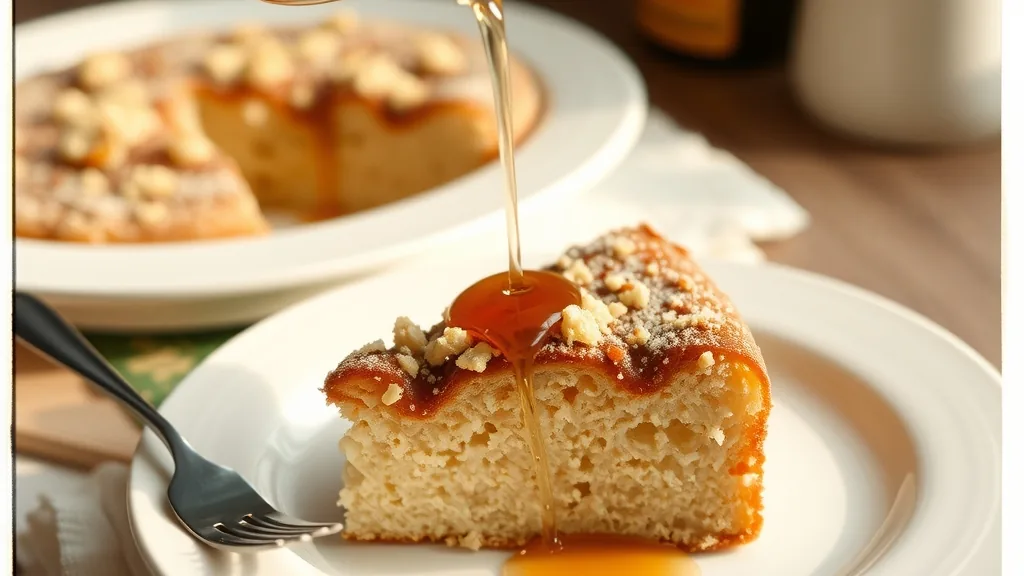
Another effective strategy for how to soften hard cake involves reintroducing moisture deliberately. Light brushing with simple syrup, milk, or juice allows the cake to absorb liquid without becoming soggy.
Professional bakeries use this method routinely. It extends shelf life while enhancing mouthfeel. The key lies in moderation—enough to hydrate, never enough to flood.
Steam: The Underused Ally
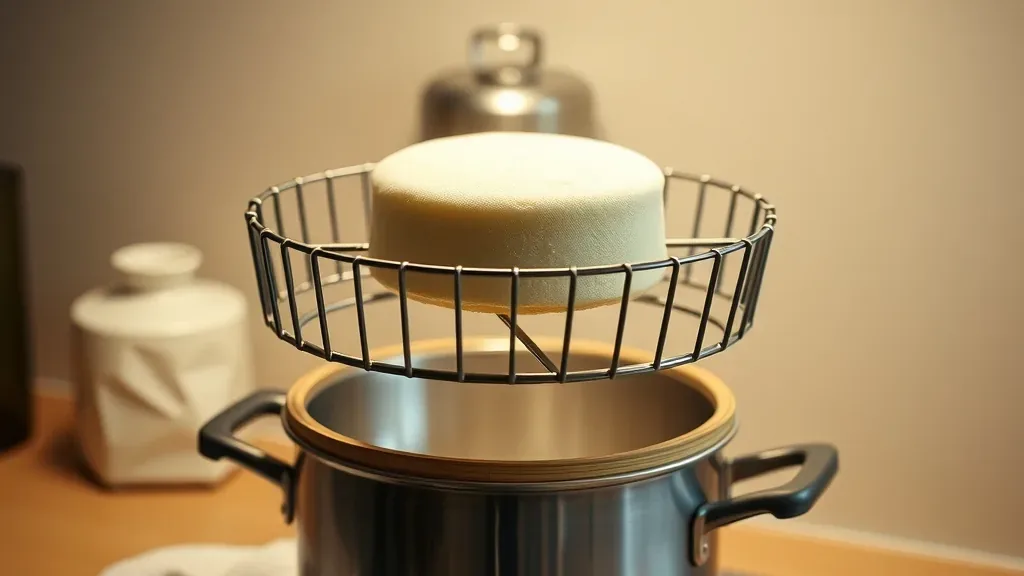
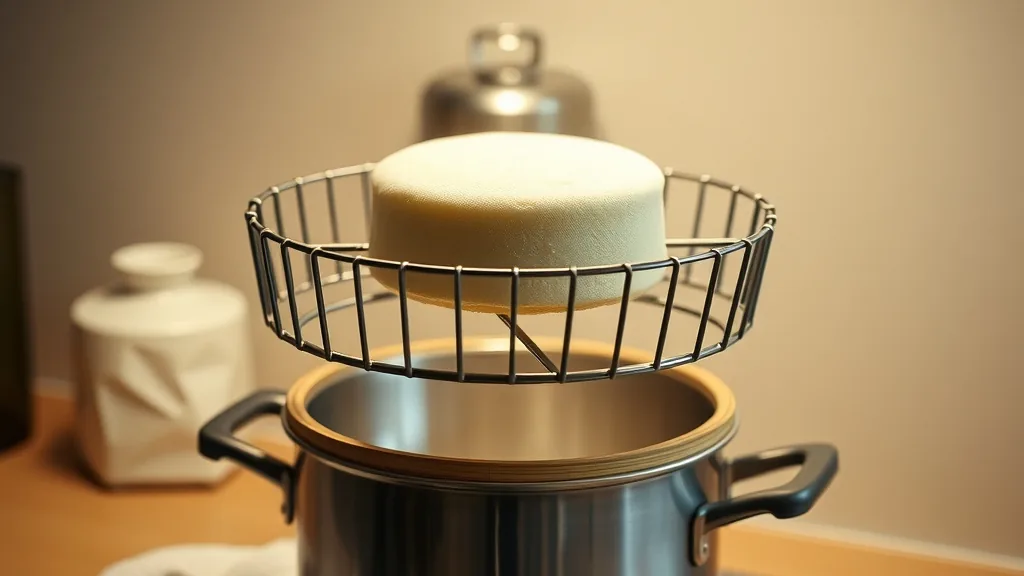
Steam is an elegant solution rarely discussed in home kitchens. Placing cake in a steamy environment for a brief moment helps relax the crumb structure. This method mirrors professional proofing cabinets and is an understated yet powerful answer to how to soften hard cake.
Texture Matters: Matching the Method to the Cake
Different cakes respond differently, and understanding this elevates success.
Butter cakes: Respond beautifully to gentle heat and syrup
Sponge cakes: Benefit most from moisture infusion
Oil-based cakes: Often soften with minimal intervention
This nuanced awareness turns how to soften hard cake into a thoughtful practice rather than a rushed fix.
Emotional Comfort: Why Soft Cakes Feel Better
There is something deeply comforting about a soft cake. It signals care. Effort. Warmth. The ability to correct texture restores more than dessert—it restores confidence.
Learning how to soften hard cake is about preserving intention. Cakes are often baked for moments that matter. Birthdays. Gatherings. Quiet evenings that deserve sweetness.
Storage Wisdom: Preventing Future Hardness
Wrapping Techniques That Protect Tenderness
Mastering how to soften hard cake also means knowing how to prevent it. Airtight wrapping is essential. Plastic wrap seals moisture. Foil adds insulation. Together, they slow dehydration dramatically.
Leaving cake exposed, even overnight, accelerates staling faster than most realize.
The Refrigerator Myth
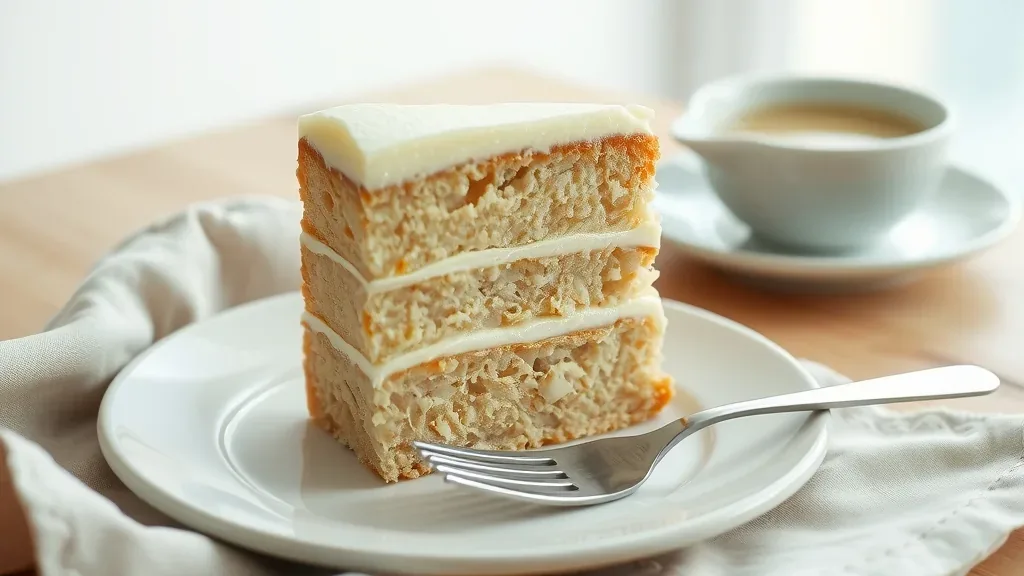
Refrigeration is not always the villain, but it demands care. Without airtight protection, cold air dries cake rapidly. With proper wrapping, refrigeration becomes neutral, sometimes beneficial for frosted cakes.
Ingredient Awareness for Long-Term Softness
Understanding how to soften hard cake naturally leads to smarter baking choices. Ingredients like oil, honey, and brown sugar retain moisture longer than butter and white sugar alone.
Example Comparison:
Butter-only vanilla cake: dries within a day
Oil-enhanced vanilla cake: stays soft for several days
These insights transform future baking outcomes without sacrificing flavor.
Creative Revival Ideas
When texture cannot fully return, transformation is still possible. Crumble cake into parfaits. Layer with cream. Toast lightly and serve with fruit. These approaches complement how to soften hard cake by embracing flexibility rather than waste.
Turn Knowledge into Gentle Habit
The next time cake feels less than perfect, pause. Remember that how to soften hard cake is not about urgency—it is about care. Apply warmth slowly. Add moisture intentionally. Store thoughtfully.
Choose one technique and try it today. Confidence grows through experience, not perfection.
Softness Is Always Within Reach
A hard cake is not the end of its story. With patience and understanding, how to soften hard cake becomes a reassuring skill—one that transforms frustration into satisfaction.
Soft cakes invite smiles. They bring people closer. And they remind us that even small corrections can create meaningful joy, one tender slice at a time.
Before mastering how to soften hard cake , it helps to understand why it happens. Cakes harden when moisture migrates out of the crumb.
Common Causes of Hard Cake
Overbaking that evaporates too much internal moisture Improper storage that allows air exposure Lean recipes with insufficient fat or sugar Refrigeration without proper sealing A sponge cake, for example, dries much faster than a butter-rich pound cake. The difference lies in fat content, not skill.
Gentle Heat: The Fastest Restoration Method
One of the most reliable answers to how to soften hard cake is controlled warmth. Heat relaxes starch molecules and redistributes residual moisture.
A Quick Decision Guide
Choose gentle heat when the cake is dry but intact, a simple syrup when it is crumbly, and a damp towel in the refrigerator when it has been exposed to air overnight. Avoid microwaving a whole cake, which heats unevenly and can make the edges rubbery. Slice first, then warm individual portions briefly.
Whatever method you use, add moisture in small amounts and wait a few minutes before judging the result. Patience prevents the common mistake of over-soaking a cake that only needed a little steam.
Hard CakeHard CakeHard CakeHard CakeHard Cake
A simple step-by-step approach
Start with the basics of Hard Cake and keep the first step small enough to finish in one sitting. Gather the information you need, compare two or three realistic options, and note the trade-offs in plain language rather than marketing terms.
Then test the decision on a small scale before you scale it up. This is the part most people skip, and it is the reason Hard Cake sometimes feels harder than it should. A short trial tells you more than another hour of reading, and it usually surfaces the one constraint that matters in your case.