pasty crust
Pasty Crust: Authentic Recipe and Crimping Guide
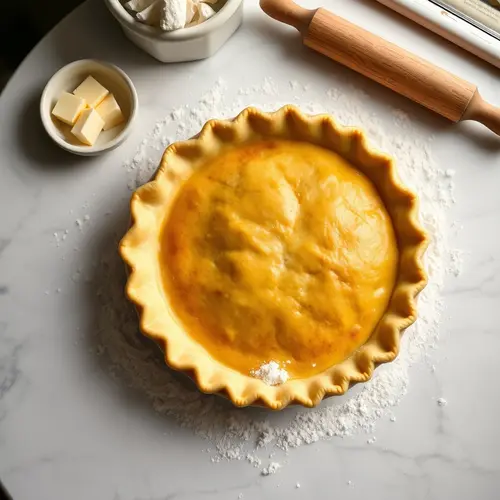
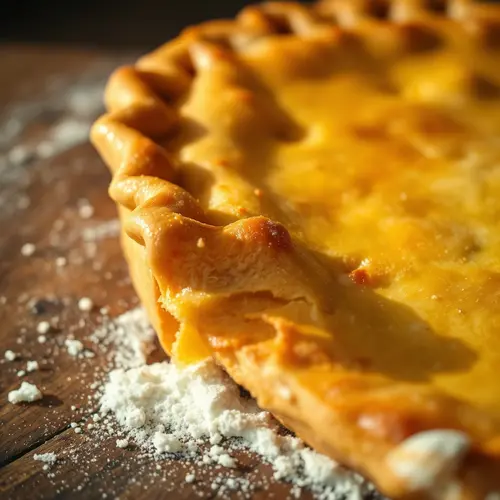
Pasty crust pie dough recipe delivers flaky layers with ease. A pasty crust represents the foundation of one of Britain’s most iconic handheld meals, demanding precision in technique and ingredient selection to achieve that golden, flaky exterior that shatters with each bite. The traditional Cornish pasty relies on a robust yet tender crust that holds substantial fillings without becoming soggy or cracking during handling.
 The structural integrity of a pasty crust depends on the careful balance between fat, flour, and water ratios. Unlike pie crusts designed for delicate desserts, pasty dough requires strength to withstand the weight of savory fillings like beef, potato, and swede while maintaining a tender bite.
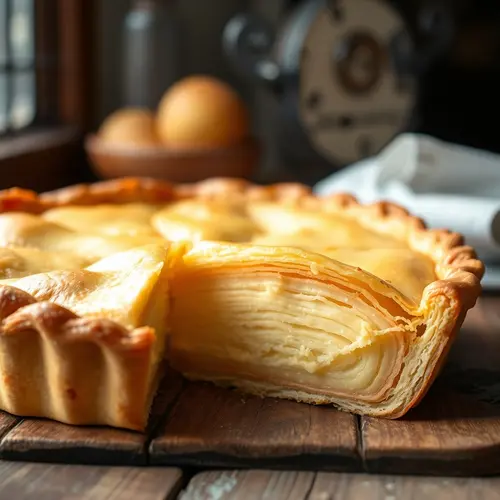
Fat content plays the dominant role in texture development. Traditional recipes call for lard or beef suet, which creates superior flakiness due to their higher melting points compared to butter. When fat melts during baking, it leaves behind steam pockets that generate the characteristic layered structure.
Gluten development must be controlled but not eliminated. While pie crusts benefit from minimal mixing to prevent toughness, pasty crust needs moderate gluten formation to provide structural support. This means working the dough just enough to create elasticity without overdeveloping the protein strands.
The structural integrity of a pasty crust depends on the careful balance between fat, flour, and water ratios. Unlike pie crusts designed for delicate desserts, pasty dough requires strength to withstand the weight of savory fillings like beef, potato, and swede while maintaining a tender bite.
Fat content plays the dominant role in texture development. Traditional recipes call for lard or beef suet, which creates superior flakiness due to their higher melting points compared to butter. When fat melts during baking, it leaves behind steam pockets that generate the characteristic layered structure.
Gluten development must be controlled but not eliminated. While pie crusts benefit from minimal mixing to prevent toughness, pasty crust needs moderate gluten formation to provide structural support. This means working the dough just enough to create elasticity without overdeveloping the protein strands.
Understanding the Science Behind Pasty Crust
Method: King Arthur pie crust method.
Related: perfect pie crust recipe.
The structural integrity of a pasty crust depends on the careful balance between fat, flour, and water ratios. Unlike pie crusts designed for delicate desserts, pasty dough requires strength to withstand the weight of savory fillings like beef, potato, and swede while maintaining a tender bite.
Fat content plays the dominant role in texture development. Traditional recipes call for lard or beef suet, which creates superior flakiness due to their higher melting points compared to butter. When fat melts during baking, it leaves behind steam pockets that generate the characteristic layered structure.
Gluten development must be controlled but not eliminated. While pie crusts benefit from minimal mixing to prevent toughness, pasty crust needs moderate gluten formation to provide structural support. This means working the dough just enough to create elasticity without overdeveloping the protein strands.
Essential Ingredients for Authentic Pasty Crust
Professional bakers focus on four core components when building their dough foundation. Each ingredient serves a specific mechanical and chemical purpose that cannot be substituted without consequence.| Ingredient | Purpose | Optimal Ratio |
|---|---|---|
| All-purpose flour | Structure and bite | 100% (base measure) |
| Fat (lard/butter) | Flakiness and richness | 50-60% of flour weight |
| Cold water | Hydration and binding | 30-35% of flour weight |
| Salt | Flavor enhancement | 2% of flour weight |
Temperature Control for Superior Pasty Crust
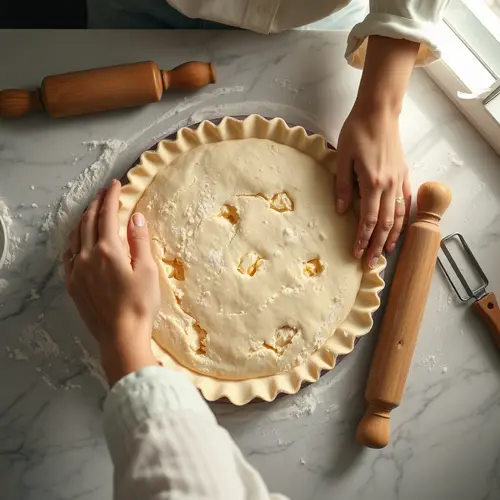
Cold ingredients prevent premature fat incorporation, which would result in a mealy rather than flaky texture. Keeping butter or lard below 60°F (15°C) ensures discrete fat pockets remain intact until baking begins. Refrigerating assembled dough for 30-60 minutes before rolling allows gluten strands to relax, preventing shrinkage during baking. This rest period also firms the fat, making the dough easier to handle and shape.The Crimping Technique That Defines golden crust
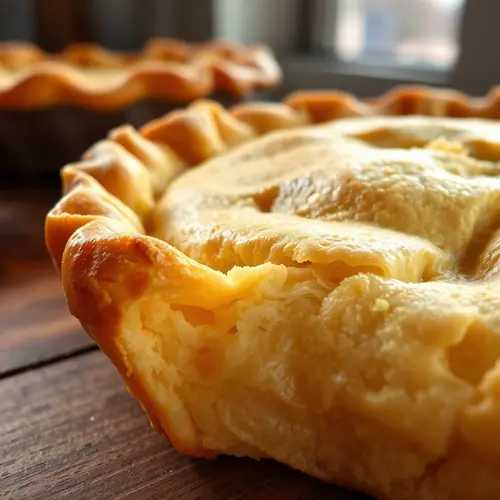
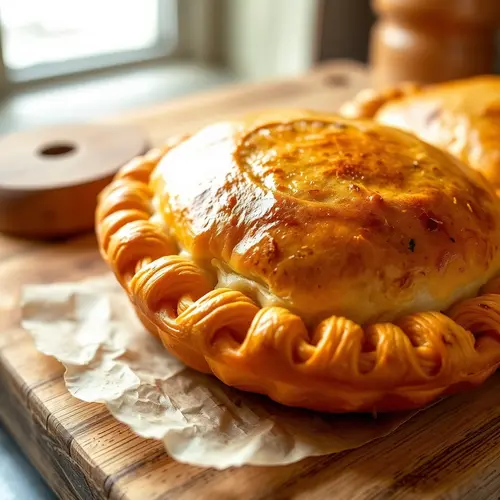
The signature rope-style crimp along the pasty edge serves both functional and aesthetic purposes. According to Cornwall’s Protected Geographical Indication status guidelines, authentic Cornish pasties must feature this distinctive seal along the side, not the top. This crimping method creates approximately 20 folds along the edge, pressing and twisting the dough to form a watertight seal. The technique requires practice but prevents filling leakage while providing a structural handle for eating.Common Pasty Crust Failures and Solutions
- Soggy bottom crust: Increase oven temperature to 400°F (200°C) for the first 15 minutes to set the base quickly before moisture penetrates
- Cracking during crimping: Dough is too dry; add water one teaspoon at a time until pliable
- Tough, chewy texture: Overworking developed excessive gluten; handle dough minimally and use light pressure when rolling
- Pale, underbaked appearance: Apply egg wash containing one egg yolk plus one tablespoon milk for deep golden color
- Uneven browning: Rotate pasties 180 degrees halfway through baking to compensate for oven hot spots
Expert Opinion: The Lard Versus Butter Debate
Professional bakers remain divided on fat selection for pasty crust. Lard produces superior flakiness and structural integrity due to its crystalline fat structure, which creates distinct layers when laminated. The neutral flavor allows filling ingredients to dominate the taste profile. Butter advocates argue that its lower melting point and water content generate more steam, resulting in increased rise and tenderness. The rich dairy flavor adds complexity that lard cannot match. The solution lies in combination ratios. A 60/40 lard-to-butter blend delivers structural strength with enhanced flavor depth. This hybrid approach has gained acceptance among artisan bakeries serving diverse palates while respecting traditional methods.Hydration Rates for Different Flour Types
Flour protein content directly impacts water absorption requirements. All-purpose flour containing 10-12% protein needs approximately 32% hydration by weight. Bread flour with 12-14% protein requires 35-38% hydration to achieve similar consistency. Lower protein pastry flour creates extremely tender pasty crust but sacrifices structural integrity needed for handheld eating. Most commercial operations standardize on all-purpose flour for reliable performance across production batches.Baking Parameters for Optimal golden crust
Oven positioning affects heat distribution and crust development. Placing pasties on the lower-middle rack ensures bottom browning while preventing excessive top coloration. Convection settings reduce baking time by 15-20% but may cause uneven crimping if air circulation is too aggressive. Internal filling temperature must reach 165°F (74°C) for food safety, which typically requires 45-55 minutes at 375°F (190°C) for standard-sized pasties. Resting assembled pasties for 10 minutes before baking allows filling moisture to redistribute, preventing steam ruptures.Storage and Reheating Without Compromising golden crust
Baked pasties maintain quality for three days refrigerated or three months frozen when properly wrapped. Cooling completely before wrapping prevents condensation that softens the crust. Individual wrapping in parchment paper followed by aluminum foil protects against freezer burn. Reheating in a 350°F (175°C) oven for 20-25 minutes restores crispness that microwaving destroys. Placing pasties directly on oven racks rather than baking sheets allows bottom air circulation for even heating.Achieving Professional-Grade golden crust at Home
The difference between acceptable and exceptional pasty crust lies in attention to mechanical detail rather than secret ingredients. Measuring ingredients by weight instead of volume eliminates inconsistency caused by flour settling and packing variations. A food processor streamlines fat incorporation, pulsing butter into flour until the mixture resembles coarse breadcrumbs with pea-sized fat pieces visible throughout. This mechanical approach provides greater consistency than manual cutting methods while minimizing warmth transfer from hands. Rolling dough to uniform 1/8-inch thickness ensures even cooking throughout the structure. Uneven thickness creates areas of underbaked dough adjacent to overbrowned sections, compromising both texture and appearance. Using rolling pin guides or stacking rulers alongside the dough maintains consistent dimensions. Mastering pasty crust requires understanding the interplay between ingredient ratios, temperature control, and mechanical technique. These foundational principles apply whether producing single servings or scaling for commercial operations, delivering that satisfying crunch that defines authentic pasty craftsmanship.Related Guides
See also a taste of tradition honoring heritage through authentic recipes, guide to a soft elegant vanilla naked cake, creative birthday cakes celebration, buttery nipple recipe perfect shots, carbs puff pastry.
What makes crust flaky?
Cold butter and rest time matter most. Keep pieces visible. Chill before baking.
How thick should dough be?
Roll to coin thickness evenly. Patch cracks fast. Dock bases lightly.
Can we freeze extras?
Yes, wrap disks flat to freeze. Thaw in fridge. Use within months.