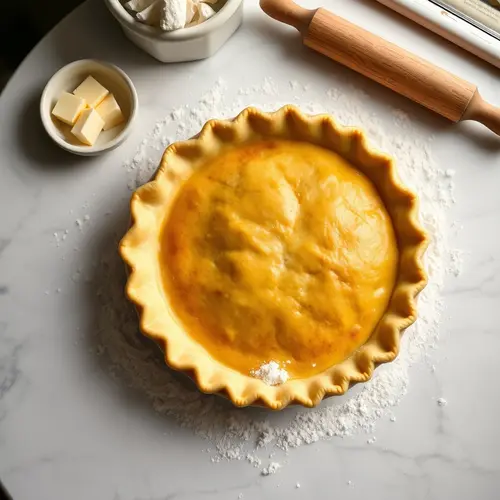
pie crust recipe
A pie crust recipe that delivers consistent, flaky results starts with understanding the science behind fat distribution and gluten development. The foundation of exceptional pastry lies in keeping ingredients cold, handling the dough minimally, and achieving the right flour-to-fat ratio. This guide breaks down the mechanics of pastry-making so you can produce bakery-quality crusts at home.
Why Most Pie Crust Recipe Attempts Fail
The primary culprit behind tough, dense crusts is overworking the dough. When flour combines with water, gluten proteins form networks that create structure. Excessive mixing or kneading transforms these networks from tender to elastic, resulting in a chewy texture instead of delicate flakiness.
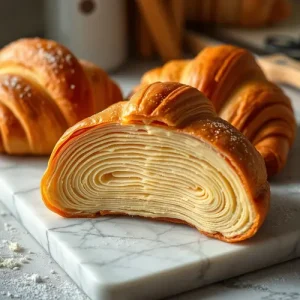
Temperature control matters just as much. Butter should remain in distinct pea-sized pieces throughout mixing. As the crust bakes, these cold fat pockets melt and create steam, forcing layers of dough apart into flaky sheets. If the butter softens prematurely during preparation, it blends into the flour rather than creating discrete layers.
The Core Components of a Reliable Pie Crust Recipe
Professional bakers use a standard ratio: 3 parts flour, 2 parts fat, 1 part liquid by weight. This formula provides enough structure from flour, sufficient richness from fat, and just enough moisture to bind everything together.
| Ingredient | Standard Amount | Function |
|---|---|---|
| All-purpose flour | 2½ cups (300g) | Provides structure through gluten formation |
| Unsalted butter (cold) | 1 cup (226g) | Creates flaky layers and adds flavor |
| Ice water | 6-8 tablespoons | Binds ingredients without activating gluten excessively |
| Salt | 1 teaspoon | Enhances flavor and strengthens gluten bonds |
| Sugar (optional) | 1 tablespoon | Adds tenderness and browning for sweet pies |
Fat Selection: Butter vs. Shortening vs. Lard
Butter delivers superior flavor but contains about 15% water, which can compromise flakiness if not handled properly. European-style butter with higher fat content (82-86%) produces more consistent results than standard American butter (80% fat).
Shortening remains solid at higher temperatures, making it easier to work with in warm kitchens. It creates exceptionally tender crusts but lacks the complex flavor butter provides. Many pastry chefs split the difference, using 60% butter for taste and 40% shortening for reliability.
Lard, rendered pork fat, was the traditional choice before vegetable shortening became widely available. It produces the flakiest texture due to its unique crystalline structure. According to culinary research from institutions like the Culinary Institute of America, lard creates larger fat crystals that separate dough layers more effectively than butter.
Step-by-Step Pie Crust Recipe Technique
Preparation and Mixing
Cut butter into half-inch cubes and freeze for 15 minutes before starting. Combine flour and salt in a large bowl. Using a pastry cutter or two knives, work the cold butter into the flour until the mixture resembles coarse cornmeal with some pea-sized pieces remaining.
Add ice water one tablespoon at a time, tossing with a fork after each addition. The dough should hold together when squeezed but still look somewhat shaggy. Most home bakers add too much water, creating sticky dough that requires extra flour during rolling, which toughens the final crust.
Rest Period and Temperature Management
Divide dough into two discs, wrap tightly in plastic, and refrigerate for at least one hour. This rest period allows gluten strands to relax and flour to fully hydrate, making the dough easier to roll. The cold temperature re-solidifies the butter.
Professional bakeries often chill dough overnight, which develops flavor through enzymatic activity and improves workability. The dough can be refrigerated for up to three days or frozen for three months.
Rolling and Shaping Best Practices
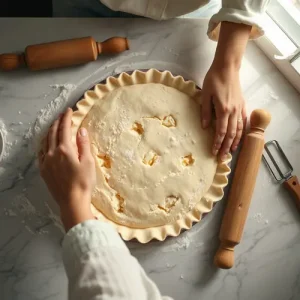
Work on a lightly floured surface, using only as much flour as needed to prevent sticking. Roll from the center outward in all directions, rotating the dough 90 degrees after every few passes to maintain a circular shape. Aim for an even thickness of about ⅛ inch.
If the dough becomes too soft while rolling, return it to the refrigerator for 10 minutes. Soft dough tears easily and shrinks dramatically during baking. The ideal dough should feel cool and slightly firm but pliable.
Preventing Shrinkage in Your Pie Crust Recipe
Shrinkage occurs when gluten proteins contract in the oven. To minimize this:
- Avoid stretching the dough when transferring it to the pie pan
- Let the dough drape naturally into corners rather than pressing it in
- Chill the shaped crust for 30 minutes before baking
- Trim edges with scissors rather than pulling, which stretches the perimeter
Blind Baking for Custard and Cream Pies
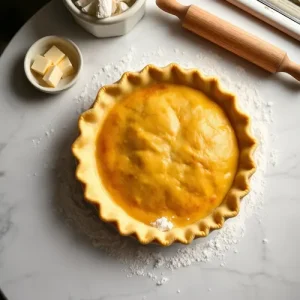
Pies with wet fillings require pre-baking (blind baking) to prevent soggy bottoms. Line the chilled crust with parchment paper and fill with pie weights, dried beans, or rice. Bake at 375°F for 20 minutes with weights, then remove them and bake for another 10-15 minutes until golden.
The USDA recommends baking crusts to an internal temperature of at least 185°F to ensure proper structure development and food safety for egg-based fillings.
Expert Opinion: The Vodka Method Controversy
Some recipes call for replacing half the water with vodka, claiming that since alcohol doesn’t activate gluten, it creates a more tender crust. While this technique has merit in theory, controlled testing by food scientists at America’s Test Kitchen found minimal practical difference.
The real advantage comes from using cold liquid regardless of type. Vodka evaporates faster during baking due to its lower boiling point, which may create slightly crisper edges. However, proper technique with standard ice water produces equally excellent results at lower cost.
Troubleshooting Common Pie Crust Recipe Issues
Tough, dense texture indicates overworking or too much water. If dough feels sticky during mixing, resist adding excessive flour. Instead, chill it longer before rolling. A properly made pie crust recipe should break cleanly when bent, showing distinct layers.
Pale, underbaked crusts lack structural integrity. Ensure your oven temperature is accurate using an oven thermometer, as many home ovens run 25-50°F cooler than their settings indicate. Darker pans promote better browning than shiny aluminum ones.
Advanced Variations and Applications
Once you master the basic pie crust recipe, experiment with additions like fresh herbs for savory pies, citrus zest for fruit fillings, or a tablespoon of vinegar to enhance tenderness. Whole wheat flour can replace up to one-third of the all-purpose flour for nuttier flavor, though it requires slightly more water.
For chocolate pies, substitute three tablespoons of cocoa powder for an equal amount of flour. The cocoa’s fat content and lack of gluten-forming proteins create an especially tender, richly flavored crust.
Mastering a dependable pie crust recipe transforms your baking capabilities. The techniques outlined here—proper fat incorporation, minimal gluten development, and strategic temperature management—apply across all pastry types from galettes to hand pies. With practice, these methods become intuitive, allowing you to produce consistently flaky, tender crusts that serve as the foundation for countless desserts.