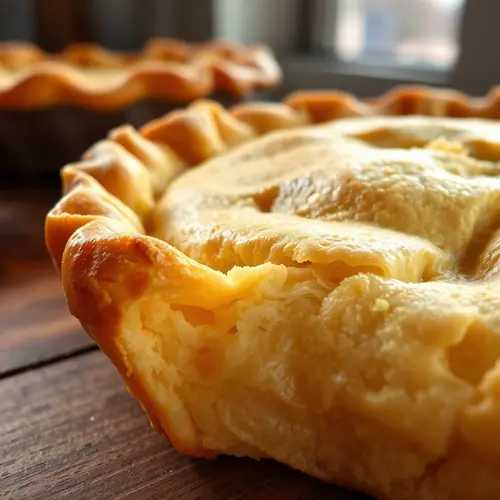
all butter crust
All Butter Crust: Flaky Pie Dough at Home
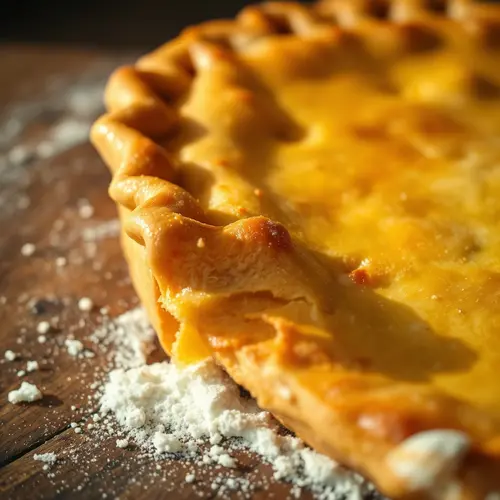
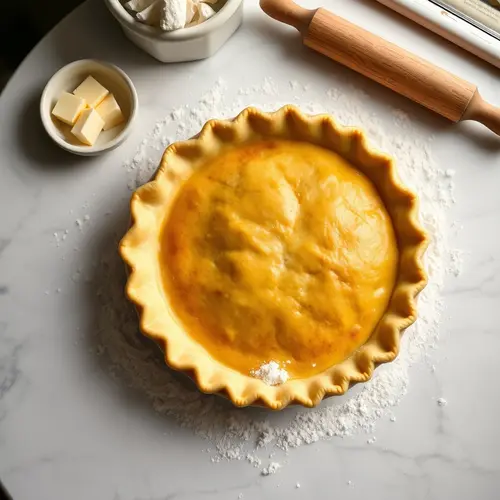
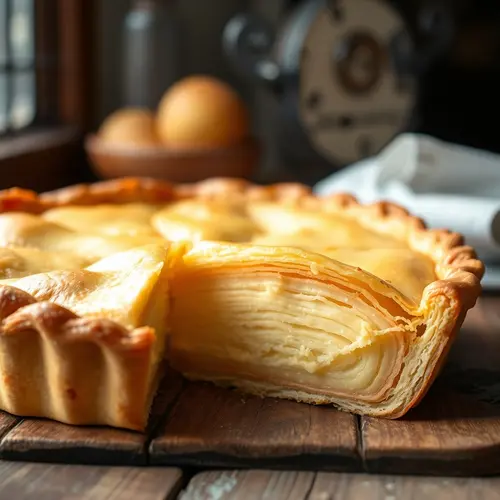
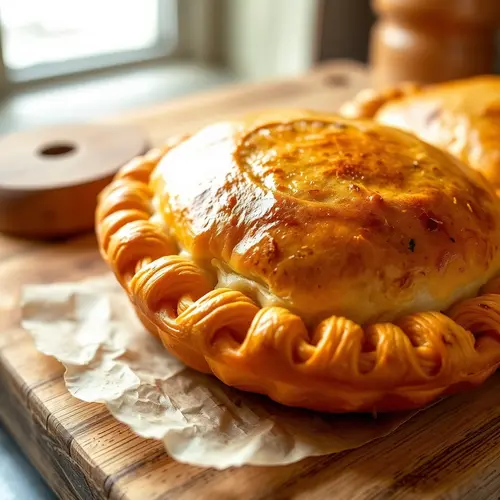
All butter crust delivers flaky layers with ease using our pie dough recipe as the base. An all butter crust delivers unmatched flavor and texture that margarine or shortening simply cannot replicate. The secret lies in butter’s water content creating steam pockets during baking, resulting in those coveted flaky layers while imparting a rich, nutty taste that elevates any pie, tart, or pastry.
Professional bakers and home cooks alike recognize that mastering this fundamental technique transforms ordinary desserts into extraordinary creations. The difference between a mediocre crust and an exceptional one often comes down to understanding butter’s unique properties and how to work with them.
 Butter contains approximately 80% fat and 15-18% water, according to USDA standards. This water content becomes your ally in creating flakiness.
When cold butter hits a hot oven, the water rapidly converts to steam. These steam pockets push layers of dough apart, creating the signature flaky texture. Shortening lacks this water content, producing a tender but dense result.
The flavor profile speaks for itself. Butter contributes complex dairy notes with a natural sweetness that complements both sweet and savory applications. Blind taste tests conducted by culinary institutions consistently show tasters prefer butter-based crusts over alternatives by wide margins.
Butter contains approximately 80% fat and 15-18% water, according to USDA standards. This water content becomes your ally in creating flakiness.
When cold butter hits a hot oven, the water rapidly converts to steam. These steam pockets push layers of dough apart, creating the signature flaky texture. Shortening lacks this water content, producing a tender but dense result.
The flavor profile speaks for itself. Butter contributes complex dairy notes with a natural sweetness that complements both sweet and savory applications. Blind taste tests conducted by culinary institutions consistently show tasters prefer butter-based crusts over alternatives by wide margins.
The resting period cannot be skipped. Refrigerating dough for at least 30 minutes allows gluten strands to relax and butter to firm up. This makes rolling easier and prevents shrinkage during baking.
Why All Butter Crust Outperforms Other Fats
Note: all butter crust turns out best when kept cold.
Method: King Arthur all-butter method.
Related: pie crust temperature.
Butter contains approximately 80% fat and 15-18% water, according to USDA standards. This water content becomes your ally in creating flakiness.
When cold butter hits a hot oven, the water rapidly converts to steam. These steam pockets push layers of dough apart, creating the signature flaky texture. Shortening lacks this water content, producing a tender but dense result.
The flavor profile speaks for itself. Butter contributes complex dairy notes with a natural sweetness that complements both sweet and savory applications. Blind taste tests conducted by culinary institutions consistently show tasters prefer butter-based crusts over alternatives by wide margins.
Essential Techniques for Perfect All Butter Crust
Temperature control determines success or failure. Keep your butter refrigerator-cold until the moment you incorporate it into flour.The Butter Sizing Method
Cut butter into small cubes, roughly half-inch pieces. Some bakers freeze these cubes for 10 minutes before mixing. The goal is maintaining distinct butter pieces rather than a homogeneous blend. Use a pastry cutter, two knives, or your fingertips to work butter into flour. Stop when the mixture resembles coarse sand with pea-sized butter chunks remaining. These visible pieces create flakiness.Hydration Without Overworking
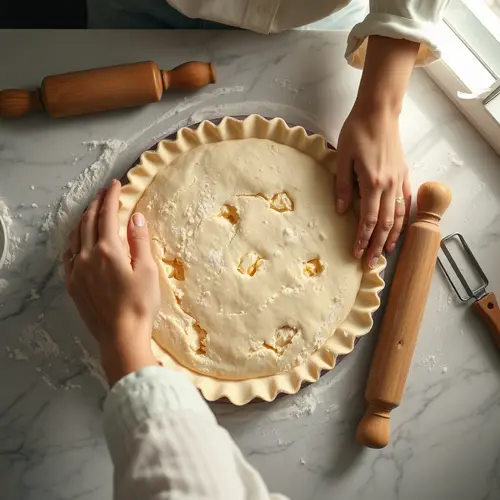
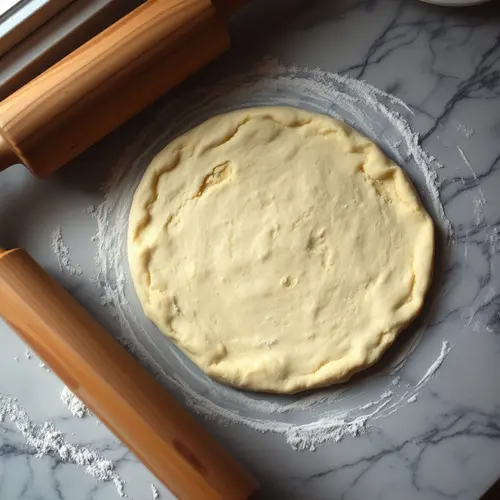
Add ice water gradually, one tablespoon at a time. The exact amount varies based on humidity and flour protein content. You want the dough to just hold together when pressed. Overworking develops gluten, creating a tough, chewy crust instead of a tender one. Mix only until the dough forms shaggy clumps. Resist the urge to knead.The Science Behind buttery crust Flakiness
Gluten formation plays a dual role. You need enough structure to hold the crust together, but too much creates toughness.| Factor | Impact on Texture | Optimal Range |
|---|---|---|
| Butter Temperature | Cold butter creates steam pockets | 35-40°F |
| Mixing Time | Less mixing = more tender | 2-3 minutes max |
| Rest Period | Allows gluten to relax | 30-60 minutes chilled |
| Butter Pieces | Larger pieces = more layers | Pea to dime-sized |
Common Mistakes That Ruin Your buttery crust
Using warm butter is the most frequent error. Room temperature butter blends too thoroughly with flour, eliminating those crucial fat pockets. The result? A dense, cracker-like texture.The Flour Trap
Adding excessive flour during rolling compensates for sticky dough but alters the ratio. This throws off the carefully balanced formula, making the crust dry and tough. Instead, chill the dough longer if it’s too soft to handle. Many bakers also press too hard when rolling. Use gentle, even pressure with a light touch. Heavy-handed rolling compresses butter layers, reducing flakiness.Blind Baking Errors
For custard or cream pies requiring a pre-baked shell, proper blind baking prevents a soggy bottom. Line the crust with parchment and fill with pie weights or dried beans. Without this support, the bottom puffs up unevenly. Bake at 375°F for 15 minutes with weights, then remove weights and continue for 8-10 minutes until golden. The two-stage process ensures both structure and color.Advanced Tips from Professional Pastry Kitchens
European-style butter with higher fat content (82-84%) produces superior results. The increased fat ratio and decreased water content yields richer flavor while maintaining flakiness. Brands like Plugrá or Kerrygold work exceptionally well. Some pastry chefs freeze grated butter instead of cubing it. Using a box grater on frozen butter creates tiny, uniform pieces that distribute evenly throughout flour. This technique, while unconventional, produces remarkably consistent results.The Vodka Hack Debunked
Adding vodka instead of some water became trendy based on the theory that alcohol doesn’t develop gluten. While technically true, rigorous side-by-side testing shows negligible difference in final texture. The technique adds unnecessary complexity without meaningful benefit. Focus instead on proper butter temperature and minimal mixing. These factors influence outcome far more than alcohol substitution.Troubleshooting Your buttery crust
Shrinkage during baking indicates either overworking the dough or insufficient resting time. Gluten needs that refrigeration period to relax. If your crust consistently shrinks, increase chill time to 60 minutes. A tough, chewy texture points to gluten overdevelopment from excessive mixing or too much water. Remember, the dough should look shaggy and barely cohesive before chilling. Soggy bottoms result from insufficient pre-baking for wet fillings or baking at too low a temperature. Start pies on the lowest oven rack where heat concentrates, promoting bottom browning.Storage and Make-Ahead Strategies
Unbaked all butter crust dough freezes beautifully for up to three months. Wrap tightly in plastic, then aluminum foil. Thaw overnight in the refrigerator before rolling. For emergency baking, keep a disk of dough in your freezer. This allows for spontaneous pie-making without compromising quality. Many professional bakers prepare large batches, portioning and freezing dough for efficient workflow.Pairing buttery crust with Different Fillings
The neutral richness of butter complements both sweet and savory applications. For fruit pies, the buttery notes enhance natural fruit sugars without overwhelming delicate flavors. Savory applications like quiche or pot pie benefit from adding herbs directly to the dough. Fresh thyme, rosemary, or black pepper integrate seamlessly, creating a flavorful foundation for savory fillings.- Apple and pear pies pair with cinnamon-spiced butter crust
- Lemon tarts shine with a pure, unadulterated butter base
- Chicken pot pie benefits from herb-enhanced dough
- Cheese and tomato galettes work with black pepper additions
- Pecan and pumpkin pies need the richness only butter provides
The Finishing Touch
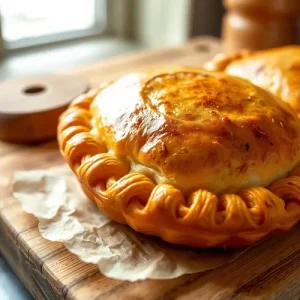
Egg wash creates professional-looking browning and sheen. Beat one egg with a tablespoon of cream or milk, then brush lightly over the crust before baking. For extra sparkle on sweet pies, sprinkle coarse sugar over the egg wash. Venting top crusts allows steam to escape, preventing soggy filling. Cut decorative shapes or create a lattice pattern that’s both functional and beautiful.Expert Opinion: Quality Over Shortcuts
After years of testing every shortcut and hack, the truth remains simple. An exceptional all butter crust demands quality ingredients, proper technique, and patience. No amount of tricks compensates for warm butter or overworked dough. The most common mistake among home bakers is rushing the process. Chilling, resting, and gentle handling take time but deliver incomparable results. Embrace these steps rather than fighting against them. When you bite into a properly executed all butter crust, the layers shatter delicately, releasing rich butter flavor that melts on your tongue. That moment of perfection makes every careful step worthwhile.Bakers mastering all butter crust chill dough well.
Bakers mastering all butter crust chill dough well.
Bakers mastering all butter crust chill dough well.
Bakers mastering all butter crust chill dough well.
Why all butter?
Butter gives rich taste and flake. Keep it very cold. Work quickly always.
How do we avoid soggy bottoms?
Preheat pans and bake low first. Use glass for check. Cool on racks.
Salted or unsalted?
Unsalted controls flavor best. Add salt measured. Taste before filling.