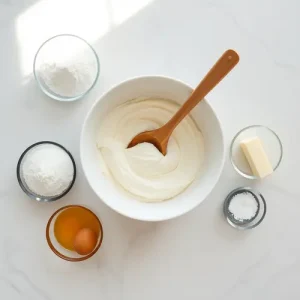
Learning how to cook cake effectively requires a balance of precise measurement, temperature control, and proper equipment handling. Whether you are a novice baker or looking to refine your technique, understanding the fundamental physics of heat transfer in batter is essential for achieving a moist, consistent crumb. While many assume that baking is simply a matter of following a recipe, the reality involves managing the chemical reactions between leavening agents, fats, and proteins. By mastering these basics, you can ensure that every dessert you pull from the oven meets professional standards of texture and flavor.
Understanding the Science of Baking
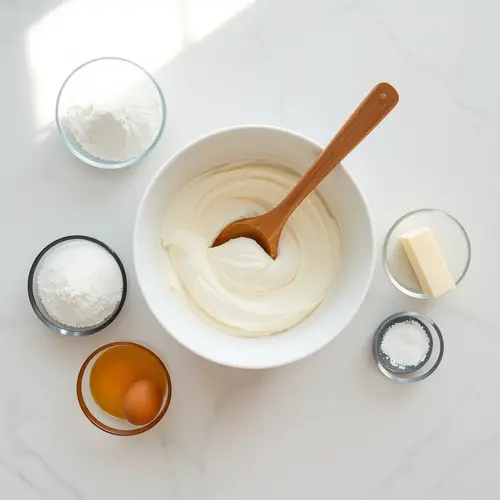
Baking is essentially a controlled chemical reaction. When you combine flour, sugar, eggs, and butter, you create a complex matrix that traps air bubbles. As the temperature rises, the leavening agents—such as baking powder or baking soda—release carbon dioxide, causing the structure to expand. The proteins in the flour coagulate, and the starches gelatinize, setting the cake into its final form. If the heat is too high, the exterior sets before the interior rises, leading to a domed or cracked surface. If the heat is too low, the structure may collapse before it has a chance to solidify. For those looking to master these foundational skills, our guide on how to bake a cake step by step offers a deep dive into pan selection and temperature management. Consistency is key, and maintaining a stable environment within your kitchen is the first step toward success.
Essential Methods for How to Cook Cake
The standard method for how to cook cake involves using a conventional oven, which provides the most consistent and even heat distribution. However, home bakers often explore alternative appliances to suit their needs. Using an air fryer is a popular modern approach; because air fryers are essentially small, high-powered convection ovens, they can bake cakes much faster than traditional units. When using an air fryer, you must reduce the temperature by approximately 25 degrees Fahrenheit and adjust the timing, as the concentrated airflow can cause the top to brown too quickly. If you are experimenting with different appliances, always prioritize safety and consult the FDA food safety guidelines to ensure your ingredients are handled correctly. Whether you are preparing Thanksgiving desserts or simple birthday treats, the appliance you choose will dictate the final moisture content and crust development of your masterpiece.
Alternative Baking Techniques Without an Oven
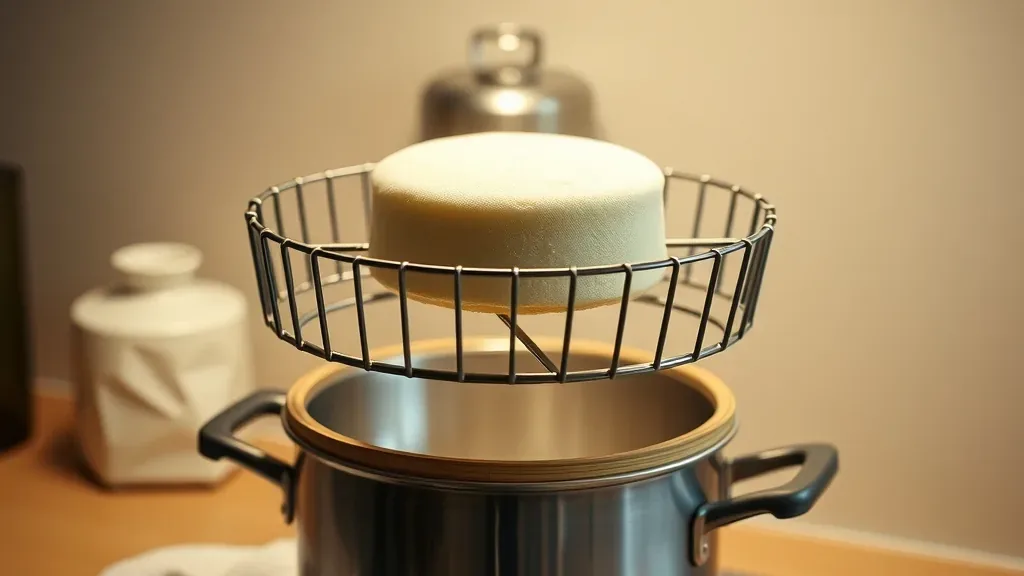
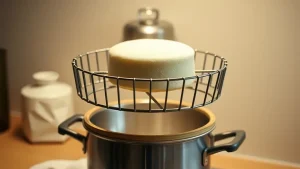
If you find yourself without a conventional oven, you can still produce high-quality desserts using a stovetop pressure cooker or a heavy-bottomed pot. This technique, often referred to as steaming or dry-heat cooking on the range, requires a trivet to elevate the cake pan from the direct source of heat. By covering the pot tightly, you create a mini-oven environment that traps steam and heat. This method is particularly useful for dense, moist cakes like fruitcakes or puddings. For those interested in expanding their repertoire beyond sponges, mastering a pie dough recipe can provide a great contrast to the soft textures of a cake. When cooking on a gas range, ensure the flame is set to the lowest possible level to prevent scorching the bottom of the pan before the center has fully set. Patience is the most important ingredient when using non-traditional heating methods.
Comparison of Baking Appliances
Choosing the right tool for the job significantly impacts your results. Each method offers distinct advantages regarding texture, speed, and energy efficiency. The following table outlines the primary differences between common home baking methods.
Method
Texture Result
Speed
Best For
Conventional Oven
Uniform, classic crumb
Standard
Layer cakes, sponges
Air Fryer
Crispy edges, moist center
Fast
Small batches, cupcakes
Stovetop/Cooker
Very moist, dense
Slow
Steamed puddings, fruitcakes
Microwave
Soft, airy
Very Fast
Single-serve mug cakes
As shown, the conventional oven remains the gold standard for large-scale baking, while smaller appliances offer convenience for quick, individual cravings. If you are feeling adventurous, consider trying some Halloween treats that utilize these different cooking methods to create fun, thematic shapes and textures.
How to Cook Cake Using Modern Kitchen Tools
In modern kitchens, knowing how to cook cake effectively often means leveraging technology to remove the guesswork. Digital thermometers are indispensable for checking the internal temperature of a cake, which should typically reach 205 to 210 degrees Fahrenheit. This removes the ambiguity of the “toothpick test,” which can sometimes be misleading depending on the moisture content of the batter. Furthermore, using a kitchen scale to measure ingredients by weight rather than volume ensures that your ratios remain consistent every time you bake. If you are struggling with recipe organization, you can always refer to our sitemap to find specific techniques that match your current skill level. Remember that the quality of your ingredients—specifically the freshness of your leavening agents—will dictate how well your cake rises, regardless of the heat source you choose to employ.
Troubleshooting Common Baking Issues
Even experienced bakers encounter problems such as sunken centers, tough textures, or uneven browning. A sunken center often indicates that the oven door was opened too early, causing a sudden drop in temperature that collapsed the delicate air structure. A tough texture is usually the result of over-mixing the batter, which develops too much gluten in the flour. To avoid these pitfalls, always mix your dry and wet ingredients until just combined. If you notice your cake browning too fast on the top but remaining raw in the middle, try tenting the pan with aluminum foil for the final half of the baking time. This reflects heat away from the surface, allowing the center to catch up. By paying attention to these subtle cues, you can refine your process and achieve professional results consistently in your own kitchen.
What is the best way to determine if a baked good is finished?
The most reliable method is using an instant-read thermometer inserted into the center. Aim for an internal temperature between 205 and 210 degrees Fahrenheit. Alternatively, a wooden skewer should come out with only a few moist crumbs attached rather than wet batter.
Can I substitute ingredients in my baking recipes?
Baking is a precise science, so substitutions should be made carefully. You can generally swap butter for oil for a moister crumb, but changing flour types or leavening agents requires adjusting ratios. Always use a kitchen scale to ensure your measurements remain accurate when altering a formula.
Why does my dessert sink in the middle after baking?
This usually happens due to opening the oven door too early, which causes a temperature drop. It can also be caused by using too much leavening agent, which makes the structure expand too quickly and then collapse, or by removing the item before the center has fully set.