buttery nipple recipe
A buttery pastry recipe succeeds on restraint rather than effort. The dough needs cold fat, just enough water, and a short rest, and then it needs to be left alone. Everything else in this guide exists to protect those four facts.
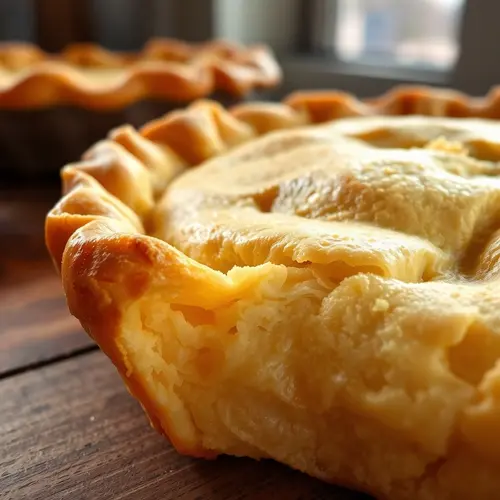
The version below makes one 23 cm tart shell or two smaller ones, and it works for sweet and savoury fillings without changes.
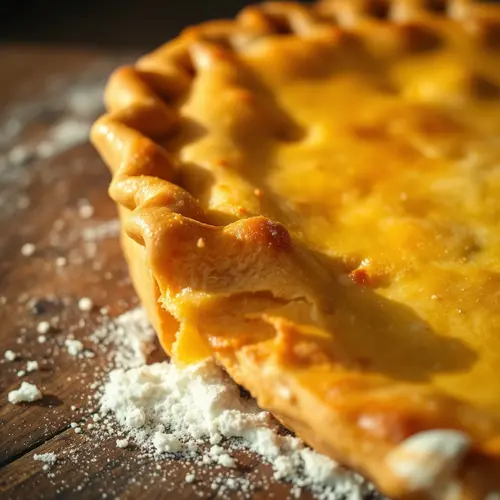
What makes this buttery pastry recipe work
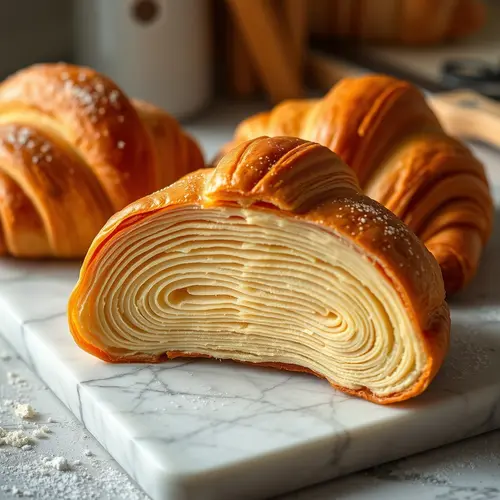
Two things separate a tender crust from a tough one. The first is visible fat: flat pieces of butter that stay intact until they reach the oven. The second is limited gluten, which means mixing only until the dough just holds together.
Butter does both jobs at once. It coats flour particles and shortens the strands of gluten, and it releases steam as it melts. That steam is what lifts the layers, so the colder the butter starts, the more lift you get.
Ingredients and weights
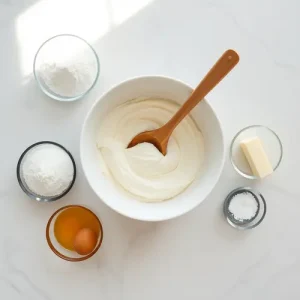
- 250 g plain flour, plus extra for dusting.
- 175 g cold unsalted butter, cubed.
- Half a teaspoon fine salt.
- 60 to 80 ml ice-cold water.
- One teaspoon lemon juice, optional but helpful.
Weigh the flour rather than scooping it. A heavy cup of flour is the single most common reason this recipe turns out dry, and a scale removes the variable in seconds.
Step one: cube and chill the butter
Cut the butter into cubes roughly two centimetres across and put them in the freezer for ten minutes while you weigh the flour. The cubes should be firm at the centre but not frozen solid.
If you are working in a warm kitchen, chill the mixing bowl as well. A cold bowl buys you several extra minutes before the fat starts to soften.
Step two: cut the butter into the flour
Toss the cubes through the flour, then rub them in with your fingertips or pulse them in a food processor. Stop while the mixture still looks like coarse breadcrumbs with visible flat flakes of butter.
Shake the bowl occasionally so the larger pieces rise to the surface. Even size matters more than small size here, because uneven butter creates uneven layers.
Step three: add water gradually
Sprinkle the ice water over the mixture one tablespoon at a time, tossing with a knife between additions. Stop when a handful squeezed together holds its shape without crumbling.
The dough should still look slightly shaggy. If it looks smooth and complete in the bowl, it is already overworked and will bake up tough.
Step four: rest before rolling
Press the dough into a flat disc, wrap it, and refrigerate for at least thirty minutes. This rest relaxes the gluten and re-firms the butter, which makes the dough far easier to roll without cracking.
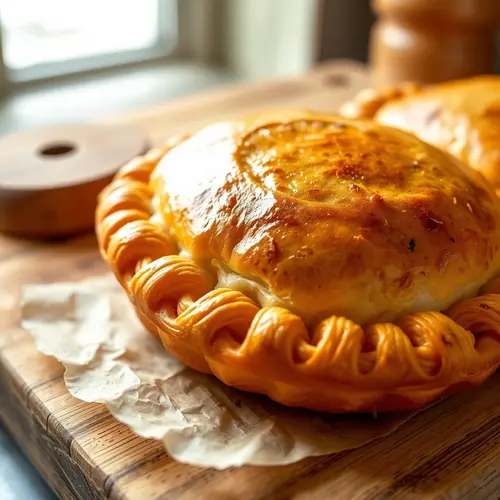
You can keep the disc in the fridge for two days or freeze it for three months. Thaw overnight in the fridge rather than on the counter, so the butter never softens unevenly.
Step five: bake hot and fast
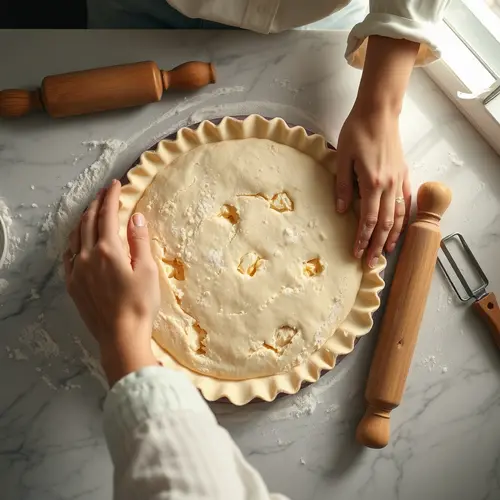
Roll the dough to about three millimetres, line the tin, and chill it again for ten minutes. Bake blind at 200 °C with parchment and weights for fifteen minutes, then remove the weights and bake five to eight minutes more.
The base should look dry and pale gold before the filling goes in. A pale, wet base will stay soggy no matter how long the finished tart bakes.
Common mistakes that ruin the crust
Warm butter is the first, and it usually happens because the dough was mixed by machine for too long. Overmixing is the second, and it shows up as a crust that shrinks in the tin and snaps rather than shatters.
Too much water is the third. A dough that feels easy to roll because it is soft will often turn leathery, so err on the dry side and add a spoon only if the dough truly will not hold.
Sweet and savoury variations
For a sweet shell, add two tablespoons of caster sugar to the flour and a teaspoon of vanilla to the water. For a savoury version, add a teaspoon of mustard powder or finely grated hard cheese.
Both variations keep the same butter and water ratios. Changing the sugar or cheese without adjusting the water is what usually throws the texture off.
Storing and freezing
Wrap baked shells tightly and keep them at room temperature for two days, or freeze them for a month. Refresh a frozen shell in a 160 °C oven for five minutes before filling.
Raw dough freezes better than baked pastry. Portion it into discs first, so you can thaw exactly what you need and avoid rerolling scraps later.
Tools that make it easier
A scale, a rolling pin with handles, and a 23 cm tart tin cover almost every need. A food processor shortens the cutting stage but punishes hesitation, so pulse and check rather than letting it run.
If you make this buttery pastry recipe often, keep a dedicated block of butter in the freezer and grate it straight into the flour. Grated frozen butter distributes evenly and stays cold through the whole mix.
How to tell it is properly baked
The base should be dry to the touch and pale gold, with no grey patches near the centre. Lift a corner with a palette knife: if it resists, it needs another five minutes.
Colour on the rim is a better guide than the timer, because every oven runs a little hot or cold. A buttery pastry recipe baked to the right point smells nutty, not merely warm.
Scaling for a bigger tin
Multiply the weights, not the cup measures, and add ten minutes to the blind bake for a deep 26 cm tin. A buttery pastry recipe scales cleanly because nothing in it depends on a chemical reaction.
Serving and pairing
Let the shell cool completely before filling, unless the recipe calls for a warm base. A cold filling in a warm shell steams the bottom and undoes the crispness you worked for.
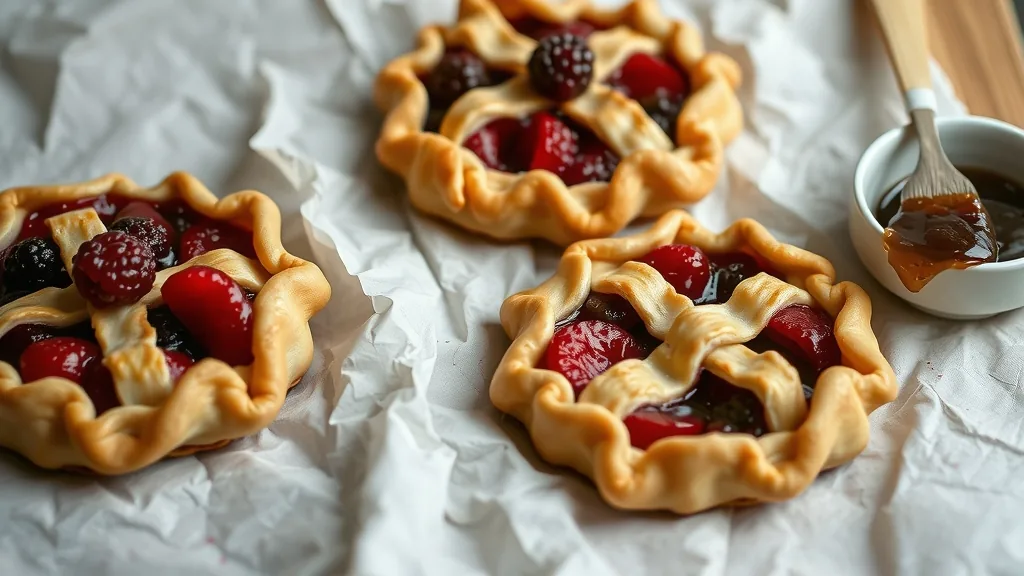
For a savoury tart, serve within two hours; for a fruit tart, glaze the top to seal the surface. Leftovers keep a day in the fridge, though the crust softens after that.
For flour weights and hydration reference, the King Arthur Baking test kitchen publishes charts worth keeping to hand.
Questions about this crust
Why is my buttery pastry recipe tough? Usually because the butter warmed up or the dough was mixed too long. Keep the cubes cold and stop while the mixture still looks shaggy, and the buttery pastry recipe will stay tender.
Can I make it without a food processor? Yes. Rub the butter in with your fingertips, lifting the mixture as you go to keep it airy. This buttery pastry recipe was written by hand before machines existed, and it works better that way in a warm kitchen.
How far ahead can I bake the shell? Two days at room temperature, or a month in the freezer. Refresh it at 160 °C for five minutes, and the buttery pastry recipe tastes as fresh as the day it was baked.
Is this buttery pastry recipe good for quiche? Yes. The same buttery pastry recipe handles quiche, hand pies, and jam tarts, though a quiche benefits from an extra five minutes of blind baking.
Is blind baking worth the extra step? For a wet filling, always. Blind baking is the step most buttery pastry recipe guides skip, and it is the one that keeps the base crisp under custard or fruit.
Can I double the batch? Yes, and freeze half. A buttery pastry recipe doubles cleanly as long as the butter stays cold while the second disc is mixed.
Can I use lard instead of butter? Yes, half and half works well. A buttery pastry recipe with a little lard holds its shape better, though the flavour is milder.
Why does the crust taste flat? Usually too little salt or butter that was overworked. Add a pinch more salt next time, and taste the trimmings from a buttery pastry recipe before the shell goes in the oven.
How do I get an even golden colour? Egg wash the rim only and bake on the lower rack. Every buttery pastry recipe browns unevenly when the tray sits in the middle of the oven.
What if the dough cracks while rolling? Let it rest five minutes and try again with lighter pressure. Cracks mean the butter is very cold, which is exactly what this buttery pastry recipe wants, so patch the tear and keep going.
Related reading
- Perfect pie dough for flaky layers
- All-butter crust: the master method
- Types of pastry and how they behave
Why the method beats the recipe
Once you have made this buttery pastry recipe twice, the numbers stop mattering as much as the feel. Cold butter, shaggy dough, and a proper rest will carry you through any filling, from a simple jam tart to a deep quiche.
Keep notes on the water you used and the room temperature that day. Two lines in a notebook will teach you more than a new recipe ever will.