Pastry baking tips rarely fail because of a secret ingredient. They fail because of temperature, water, and how much the dough is handled. Once those three are under control, the craft becomes repeatable instead of lucky, and the same result appears every weekend without a new recipe.
What follows is the working list that professional bakeries rely on daily, from weighing flour to pulling the tray out at the right moment.
Why pastry fails long before the oven
Most disappointing pastry is already lost by the time the timer starts. Butter melts into the flour while mixing, gluten develops from overworking, and the dough is rolled while still warm. The oven only reports the result.
Flakiness depends on intact sheets of cold fat. Those sheets trap water, and in a hot oven the water turns to steam and pushes the layers apart. Once the butter has blended evenly into the flour, there is nothing left to create that lift.
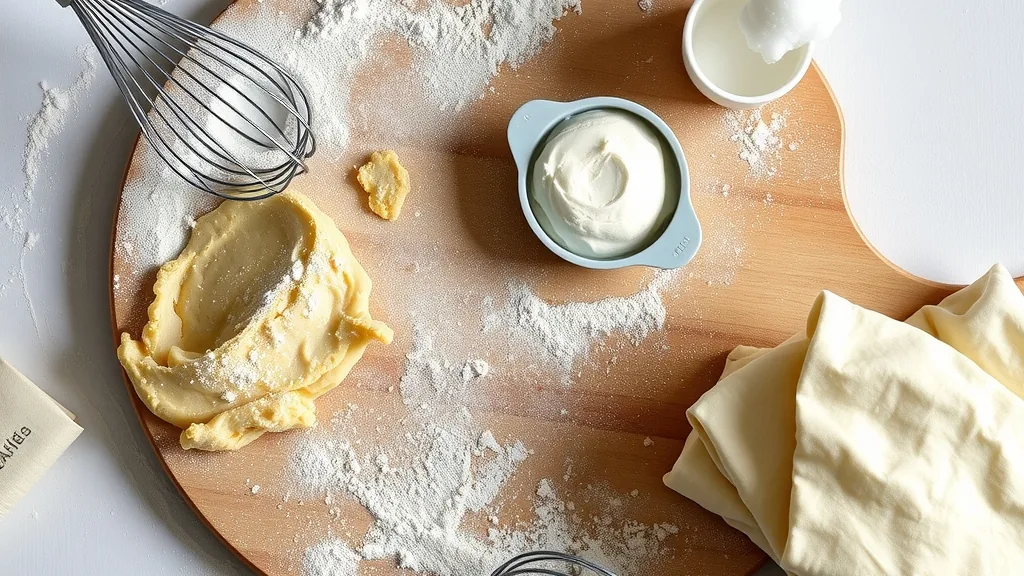
That is why the useful adjustments are almost all about handling rather than ingredients. Better flour helps, but cold butter and a light hand help far more.
Pastry baking tips that change the result
The list below is not a set of tricks. Each point removes one common way dough loses its structure, and together they cover the whole process from measuring to cooling. Pick two to fix this week and add the rest as they become habit.
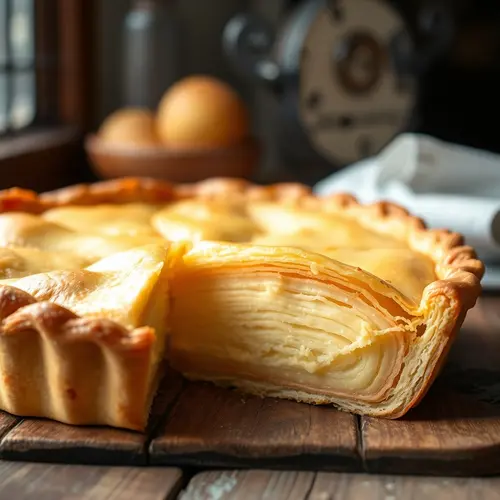
Keep the butter colder than feels reasonable
Cold means about 4 °C at the centre, not merely cold to the touch. Cube the butter and chill it for fifteen minutes before it meets the flour, and put the bowl back in the fridge if the kitchen is warm. On a hot day, freeze the cubes for five minutes.
You want distinct flat pieces of butter coated in flour after cutting it in. A food processor makes the job quick, but pulse in one-second bursts so the blades do not warm the fat.
Weigh the flour and skip the scoop
A cup of flour can weigh anywhere from 110 to 150 grams depending on how it was scooped, and that swing is enough to decide whether the dough is tender or dry. A digital scale settles the question in ten seconds.
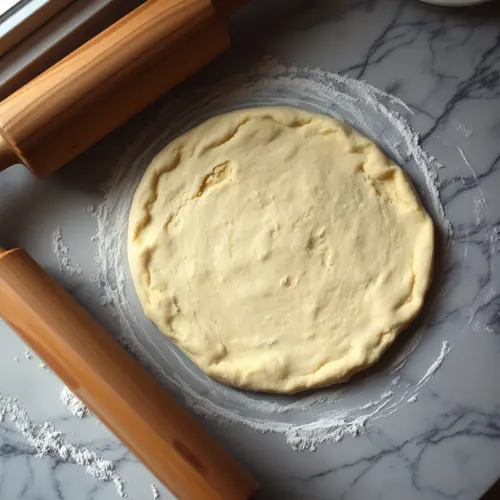
If you bake by volume, spoon the flour into the cup and level it with a knife. Never tap the cup to settle it, because that quietly adds close to a tablespoon of extra flour per cup.
Rest the dough twice, not once
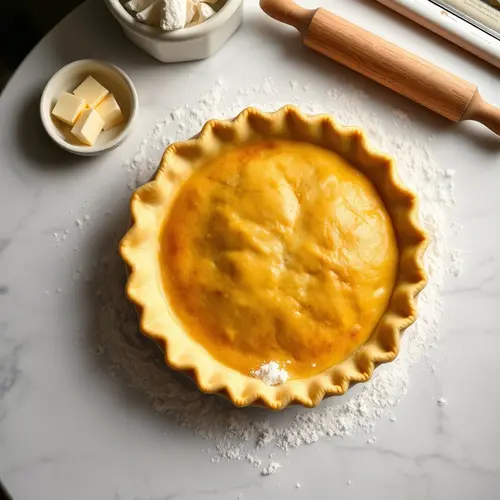
Resting after mixing lets the gluten relax and the fat firm up again. Resting after shaping stops the pastry from shrinking away from the tin in the oven. Twenty minutes each time is enough for most recipes, and overnight is better for a rolled tart shell.
Wrap the disc tightly so it cannot dry out, and chill the lined tin for ten minutes before baking. Cold pastry holds its shape; warm pastry slumps down the sides.

Stop handling it sooner than you want
Every extra roll warms the fat and strengthens the gluten. Roll from the centre outward, turn the dough a quarter turn between passes, and lift it with a bench scraper rather than grabbing it with your hands.
Patch tears in a rolled sheet with a scrap pressed on gently. A small patch disappears after baking, while rerolling the whole sheet usually costs flakiness you cannot get back.
Watch the water, not the clock
Add water one spoon at a time and stop as soon as the dough holds together when squeezed. It should look shaggy and slightly dry, never smooth. Dough that looks perfect in the bowl often bakes up tough.
Humidity matters as well. On a rainy day you may need two spoons less than the recipe states, and in a dry kitchen one more. Judge by feel, then write down what you actually used.
Choose the fat deliberately
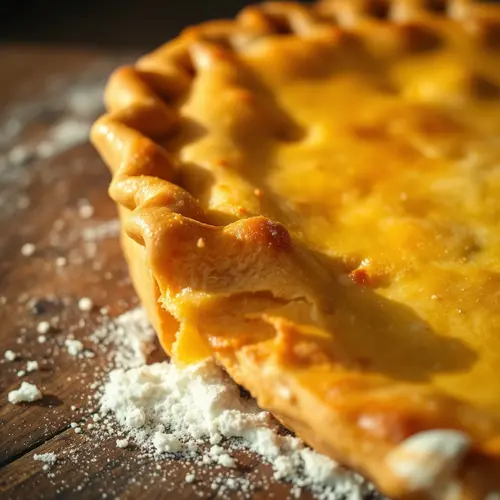
All-butter pastry tastes best and browns quickly, but it softens fast in a warm kitchen. A blend of butter and a little lard or shortening holds its shape better for decorative edges and lattice work.
Whatever you choose, keep the total weight the same as the recipe. Changing the fat without adjusting the water is the most common reason a trusted recipe suddenly stops working.
Temperature and rack position decide the colour
Pastry wants a hot oven, roughly 200 to 220 °C for butter crusts, and a rack in the lower third so the base sets before the top browns. A baking tray preheated with the oven gives the bottom an extra head start.
Opening the door during the first ten minutes drops the temperature sharply. Use the oven light instead, and rotate the tray only after two-thirds of the time has passed.
Cooling is part of the bake
Pastry keeps cooking on the tray. Leave it there for five minutes, then move it to a rack so steam can escape from underneath. A crust left on a hot tray turns soft and heavy within ten minutes.
For a wet filling, brush the base with beaten egg or melted butter first. It forms a barrier that keeps the bottom crisp for hours instead of minutes.
A short checklist before you start
- Butter cubed and chilled for at least fifteen minutes.
- Flour weighed, or spooned and levelled, never tapped.
- Water added with a spoon and judged by feel.
- Dough rested before rolling and again before baking.
- Lined tin chilled while the oven heats.
- Rack set low, oven fully preheated.
When the weather fights back
Humidity changes pastry more than most bakers expect. On a wet day the flour already carries moisture, so the dough comes together with less water and turns sticky if you follow the recipe blindly.
On a dry winter day the opposite happens, and the same amount of water leaves the dough crumbly. The most useful pastry baking tips are really about reading the dough in front of you rather than the numbers on the page, and a small notebook makes that reading faster with every bake.
If the kitchen is hot, work in short bursts and return the bowl to the fridge between steps. Ten minutes of chilling costs nothing and often saves the whole batch.
Practise one change at a time
Changing everything at once makes it impossible to know what worked. Spend one bake on cold butter alone, the next on weighing flour, and the third on resting time.
Written pastry baking tips become personal habits only after repetition, and three focused bakes teach more than a dozen recipes read in a row.
Which tools are worth the money
A digital scale, a bench scraper, and a heavy baking tray improve results more than any single ingredient. Everything else is optional, including the marble slab that older pastry baking tips insist on.
A cold metal tray does the same job if you chill it first. Replace a cheap pastry brush as soon as it starts shedding bristles into the crust, because that is a problem no technique can fix.
Questions bakers ask most
Do these pastry baking tips work with a food processor? Yes, with caution. Pulse in one-second bursts and stop while the mixture still looks uneven, because pastry baking tips about cold butter matter more than speed, and a machine can undo them in two seconds.
How cool should the kitchen be? Around 20 °C is comfortable. Above 24 °C, chill the bowl, the flour, and the rolling pin; the reliable pastry baking tips are the ones about temperature, since heat undoes everything else.
Can the dough be frozen? Yes, for three months, wrapped tightly. Thaw it overnight in the fridge so the butter firms evenly, then apply the same pastry baking tips as for fresh dough: cold fat, short mixing, and a proper rest.
Do these pastry baking tips need special flour? Plain flour is enough. Fancy blends rarely help, and the pastry baking tips that matter are about temperature rather than shopping, which is why experienced bakers keep the flour simple.
Should I chill the flour too? In a hot kitchen, yes. Chilling the flour is one of the practical pastry baking tips that costs nothing, and it buys time before the butter starts to soften.
How do I know the oven is ready? Give it a full twenty minutes. Most pastry baking tips assume a properly heated oven, and a fast start is what sets the base before the filling weighs it down.
Is a marble slab necessary? No. A cold metal tray works just as well, and most pastry baking tips about equipment become optional once the butter is properly chilled and the dough is rested.
How do I stop a soggy base? Brush the hot base with beaten egg white before filling. It is one of the few pastry baking tips that works with every filling, from custard to tomato.
Why does my pastry shrink in the tin? Usually because it was stretched during lining or baked while warm. Press rather than pull, chill the lined tin for ten minutes, and this becomes the fastest-acting of all the pastry baking tips on this page.
Related reading
- Types of pastry: six dough families and when to use them
- All-butter crust: the master method
- Baking techniques that make pastry work
Where to go next
None of these pastry baking tips needs new equipment, and most of them cost nothing at all. Fix the cold butter first, then the flour measurement, then the resting time. These pastry baking tips reward patience rather than talent: by the third bake the difference is obvious, and by the fifth it is simply how you work.
For reference weights and hydration guidance, the King Arthur Baking test kitchen publishes detailed flour charts that are worth keeping on the fridge door.