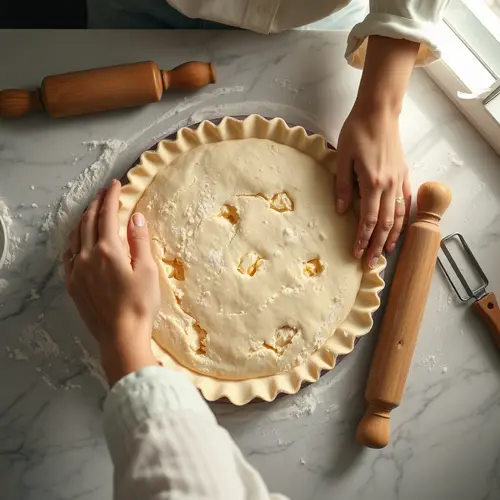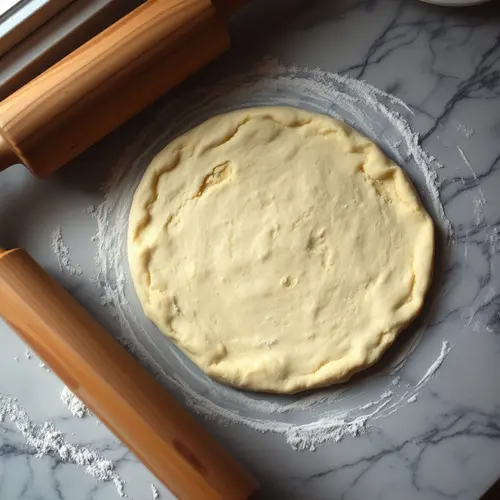
pastries recipe
Essential Components of a Pastries Recipe
Every successful pastry begins with five fundamental elements working in harmony. Flour provides structure, butter creates flakiness, water activates gluten development, salt enhances flavor, and proper technique binds everything together. High-protein bread flour produces stronger gluten networks for croissants and Danish pastries. Lower-protein pastry flour works better for tender puff pastry and delicate cream puffs. The protein content directly impacts final texture and rise. European-style butter with 82-84% butterfat content performs superior to American butter at 80% fat. The higher fat ratio means less water, which prevents sogginess and promotes cleaner separation between layers during baking.The Science Behind Lamination in Your Pastries Recipe
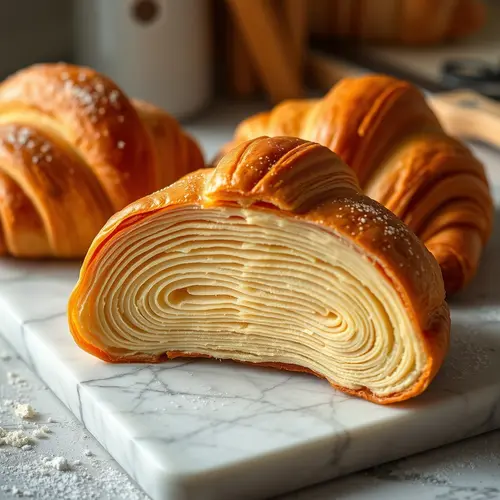
Lamination creates alternating layers of dough and butter through systematic folding. Each fold multiplies the layer count exponentially, building the signature flaky structure that defines quality pastries. A traditional three-fold (letter fold) repeated four times produces 81 layers. A four-fold (book fold) creates even more dramatic layering. The key lies in maintaining distinct separation without butter breakthrough or incorporation into the dough.| Fold Type | Layers After 3 Turns | Layers After 4 Turns | Best Application |
|---|---|---|---|
| Letter Fold (3-fold) | 27 layers | 81 layers | Croissants, Danish |
| Book Fold (4-fold) | 64 layers | 256 layers | Puff pastry, palmiers |
| Simple Fold (2-fold) | 8 layers | 16 layers | Quick puff, beginner practice |
Temperature Control: The Critical Variable in Any Pastries Recipe
Butter must stay between 60-65°F during lamination. Warmer butter melts into the dough, eliminating layers. Colder butter breaks and tears through the dough, creating holes and uneven distribution. Professional bakeries maintain marble work surfaces and temperature-controlled rooms around 65-68°F. Home bakers can refrigerate dough for 20-30 minutes between folds to reset temperature and relax gluten. According to principles outlined by the Culinary Institute of America, gluten relaxation between folds prevents elastic snap-back that makes rolling difficult and creates uneven thickness.Step-by-Step Framework for a Classic Pastries Recipe
This systematic approach applies to croissants, Danish pastries, and traditional puff pastry with minor variations for each style.Détrempe Preparation
The détrempe forms the elastic dough envelope that wraps around butter. Mix flour, water, salt, and a small amount of melted butter until just combined. Overworking develops excessive gluten that fights against rolling and creates tough pastries. Rest the détrempe for minimum one hour in refrigeration. This rest period allows flour hydration to complete and gluten strands to relax, making the dough more pliable.Butter Block Formation
Pound cold butter between parchment paper into a flat rectangle roughly half the size of your rolled détrempe. The butter should be pliable but cold, bending without cracking or softening to grease. Some bakers incorporate a small amount of flour into the butter block for stability. This technique, called beurrage, helps prevent butter breakthrough during rolling while maintaining separation from the dough layers.Lock-In and Lamination Sequence
- Roll détrempe into a rectangle twice the size of your butter block
- Place butter block on one half of the dough
- Fold the other half over to encase butter completely
- Seal edges by pressing firmly to prevent butter escape
- Roll the package into a long rectangle, maintaining even thickness
- Perform your chosen fold type (letter or book)
- Refrigerate 20-30 minutes between each turn
- Repeat folding process for total of 3-4 turns
Common Mistakes That Ruin Your Pastries Recipe
Butter breakthrough represents the most frequent failure point. When butter breaks through the dough surface during rolling, it eliminates layer separation and creates greasy, dense pastries instead of light, flaky ones. Uneven rolling thickness causes irregular rising. Thick sections remain doughy while thin areas burn. Professional bakers use rolling pin guides or measure with rulers to maintain consistent quarter-inch thickness. Many home bakers skip the overnight cold fermentation that develops complex flavor. While you can technically complete a pastries recipe in one day, refrigerating shaped pastries overnight before baking dramatically improves taste depth and aromatic compounds.Debunking the Myth of Instant Results
Quick puff pastry or “rough puff” methods promise bakery results in fraction of the time. While these shortcuts produce acceptable layering for certain applications, they cannot replicate the precise, paper-thin layers and buttery richness of properly laminated dough. The time investment in traditional lamination directly correlates with final quality. Attempting to rush the process by reducing rest times or skipping folds produces mediocre results that lack the structural integrity and flavor complexity of patient execution.Baking Science and Oven Strategy
High initial oven temperature around 400-425°F creates rapid steam expansion that pushes layers apart. This oven spring determines final height and layer definition. Steam in the oven during the first 10 minutes keeps the exterior from setting too quickly, allowing maximum rise. Professional bakeries inject steam, but home bakers can place a pan of boiling water on the oven floor. Egg wash application requires precision. Too thick and it glues layers together, preventing rise. Too thin and it provides insufficient browning. A mixture of one egg beaten with one tablespoon of cream creates optimal results.Variations and Applications
The fundamental laminated dough technique adapts to countless pastry styles. Croissants incorporate yeast for leavening and require specific shaping methods. Danish pastries use similar dough but include eggs for richness and often feature fruit or cheese fillings. Kouign-amann takes laminated dough further by incorporating sugar between layers, which caramelizes during baking to create crispy, sweet exteriors. This Breton specialty demonstrates how understanding core principles allows creative expansion.| Pastry Type | Leavening Agent | Typical Layers | Baking Temperature |
|---|---|---|---|
| Croissant | Yeast + Steam | 81 layers | 375-400°F |
| Puff Pastry | Steam only | 256+ layers | 400-425°F |
| Danish | Yeast + Steam + Eggs | 27-81 layers | 375-390°F |
Expert Troubleshooting Scenario
Consider a baker whose croissants consistently rise unevenly with some sections remaining flat. Investigation reveals rolling pressure favors the left side, creating thicker dough on the right. The solution involves conscious pressure distribution and rotating the dough 180 degrees between passes to ensure uniformity. This highlights a critical principle: systematic technique prevents problems before they occur. Video recording yourself during rolling reveals unconscious habits that impact results.Storage and Make-Ahead Strategy
Laminated dough freezes exceptionally well when wrapped tightly in plastic. Freeze after the final turn but before shaping for maximum flexibility. Thaw overnight in refrigeration before rolling and cutting. Shaped unbaked pastries also freeze successfully. Place on parchment-lined sheets until solid, then transfer to freezer bags. Bake directly from frozen, adding 5-10 minutes to the standard baking time. Baked pastries lose quality rapidly due to moisture migration that softens the crispy layers. Consume within 24 hours for peak texture, or refresh in a 350°F oven for 5 minutes to restore crispness.Professional Tips for Elevating Results
Weighing ingredients by gram weight instead of volume measurements eliminates variables that impact dough hydration. Professional bakers calculate hydration percentages to achieve consistent dough texture regardless of environmental factors. Investing in a quality rolling pin without bearings provides better tactile feedback. French-style tapered pins allow precise pressure control that prevents uneven thickness. Room humidity affects dough behavior significantly. Dry climates may require slight water increases, while humid environments benefit from reduced hydration or additional flour during rolling.Final Thoughts on Mastering Your Pastries Recipe
Excellence in pastry making stems from understanding the interplay between ingredients, temperature, and technique rather than following recipes blindly. Each component serves specific structural and chemical functions that determine final results. The pastries recipe framework outlined here provides the foundation for exploration and refinement. Mastery develops through repetition, careful observation, and willingness to analyze both successes and failures for continuous improvement. Start with simplified versions to build confidence and understanding before attempting complex variations. Document your process with photos and notes to track progress and identify patterns that lead to your best results.For related guidance, see Simple Pastries: 7 Expert Techniques for Perfect Results and Perfect Pie Dough Recipe for Flaky Layers.
Essential Components of a Pastries Recipe
Every successful pastry begins with five fundamental elements working in harmony. Flour provides structure, butter creates flakiness, water activates gluten development, salt enhances flavor, and proper technique binds everything together.
The Science Behind Lamination in Your Pastries Recipe
Lamination creates alternating layers of dough and butter through systematic folding. Each fold multiplies the layer count exponentially, building the signature flaky structure that defines quality pastries.
Temperature Control: The Critical Variable in Any Pastries Recipe
Butter must stay between 60-65°F during lamination. Warmer butter melts into the dough, eliminating layers.