Tasty Deserts
When it comes to creating Tasty Deserts, the difference between amateur efforts and professional-quality results lies in understanding foundational techniques. Home bakers and culinary enthusiasts consistently seek sweet creations that deliver both visual appeal and unforgettable flavor profiles. The art of crafting exceptional desserts requires mastery of temperature control, ingredient ratios, and timing precision that separates mediocre outcomes from extraordinary ones.
The science behind successful baking involves chemical reactions that transform simple ingredients into complex flavor compounds. Understanding these processes elevates your dessert game significantly.
Why Tasty Deserts Require Technical Precision
Many home bakers underestimate the importance of accurate measurements and proper technique. The Culinary Institute of America emphasizes that baking operates as pure chemistry, where a variance of just 5-10% in ingredient ratios can completely alter texture and taste.
Professional pastry chefs measure ingredients by weight rather than volume. This method eliminates inconsistencies caused by ingredient settling, humidity, and packing density. A cup of flour can vary by 30 grams depending on measurement technique.
Temperature control stands as another critical factor. Butter temperature affects how air incorporates into batters, while oven temperature directly impacts rise, browning, and moisture retention.
Core Categories of Tasty Deserts
Understanding dessert classifications helps bakers develop versatile skills applicable across multiple recipes. Each category requires distinct techniques and ingredient handling.
Custard-Based Tasty Deserts
Custards rely on the coagulation properties of eggs combined with dairy. The key temperature range sits between 170°F and 185°F. Below this range, custards remain liquid. Above it, proteins over-coagulate and create curdled textures.
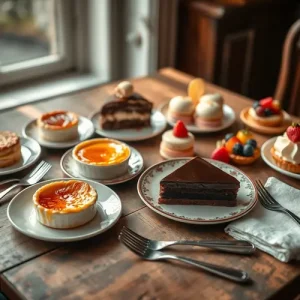
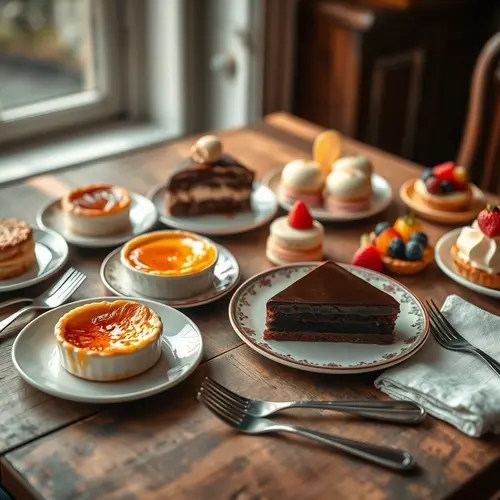
Classic examples include crème brûlée, flan, and pastry cream. The National Dairy Council notes that whole milk provides optimal mouthfeel, while heavy cream adds richness but can mask delicate flavors.
Tempering eggs before adding hot liquid prevents scrambling. This gradual temperature increase allows proteins to adjust without shock coagulation.
Foam-Based Structures
Cakes, soufflés, and meringues depend on air incorporation and protein networks. Egg whites contain albumin proteins that unfold during whipping, creating stabilized bubbles.
The addition of acid (cream of tartar or lemon juice) strengthens these protein bonds and prevents over-beating. Sugar timing matters: adding it too early inhibits foam formation, while adding it too late creates unstable structures.
| Dessert Type | Critical Temperature | Key Technique | Common Failure Point |
|---|---|---|---|
| Custards | 170-185°F | Tempering | Curdling from high heat |
| Caramel | 340-350°F | Even heating | Crystallization from stirring |
| Chocolate ganache | 110-120°F | Emulsification | Separation from temperature shock |
| Meringue | Room temp eggs | Gradual sugar addition | Weeping from under-beating |
Essential Ingredients for Superior Results
Quality ingredients directly impact final outcomes. Commercial operations understand this principle, which explains why professional bakeries invest in premium components.
Flour Selection Matters
Protein content determines structure. Cake flour (7-9% protein) produces tender crumbs, while all-purpose flour (10-12% protein) offers versatility. Bread flour (12-14% protein) creates undesirable toughness in most Tasty Deserts.
Sifting flour aerates it and removes lumps, but also reduces density. One cup of sifted flour weighs approximately 15-20% less than unsifted.
Fat Quality and Function
Butter provides superior flavor compared to shortening or oil, but each fat serves different purposes. Butter contains 15-20% water, which creates steam during baking and contributes to flakiness in pastries.
European-style butter contains higher fat content (82% versus 80%), producing richer flavors and more tender textures. The American Butter Institute confirms that cultured butter adds subtle tangy notes that enhance complexity.
Advanced Techniques Professional Bakers Use
Mastering Tasty Deserts requires understanding techniques that separate competent bakers from exceptional ones.
The Creaming Method Explained
Creaming butter and sugar incorporates air cells that expand during baking. Beat for 3-5 minutes until the mixture becomes pale and fluffy. These air pockets create lighter textures.
Room temperature butter (65-68°F) creams optimally. Cold butter won’t incorporate air effectively, while melted butter eliminates structure entirely.
Proper Folding Technique
When combining delicate foams with heavier batters, folding preserves air bubbles. Use a rubber spatula to cut through the center, scrape the bottom, and turn the mixture over the top.
Rotate the bowl quarter-turns between folds. This method maintains volume while ensuring ingredient integration.
Common Mistakes That Ruin Tasty Deserts
Understanding failure points prevents disappointing results and wasted ingredients.
- Opening the oven door during the first 75% of baking time causes temperature drops that collapse structures
- Over-mixing batters develops excess gluten, creating tough, chewy textures instead of tender ones
- Substituting ingredients without understanding their chemical functions leads to unpredictable outcomes
- Ignoring mise en place (preparation) causes timing errors that affect temperature-sensitive steps
- Using expired leavening agents reduces rise by up to 50%
Expert Opinion: The Hydration Ratio Myth
Many baking resources claim precise hydration ratios guarantee success. This oversimplifies a complex interaction. Flour absorption rates vary based on protein content, grain variety, storage conditions, and humidity exposure.
Professional bakers adjust liquid quantities based on dough consistency rather than strict ratios. The “correct” hydration for pie dough ranges from 45-60% depending on flour type and ambient conditions.
This flexibility contradicts popular advice that treats baking as purely formulaic. Developing tactile judgment through experience matters more than rigid adherence to percentages.
Practical Troubleshooting Scenario
Consider a baker attempting chocolate soufflé that consistently collapses after removal from the oven. The typical diagnosis blames under-baking, but the actual culprit often involves base preparation.
If the chocolate base contains too much moisture or lacks sufficient starch stabilization, the structure cannot support the egg white foam. Adding one tablespoon of cornstarch to the chocolate base creates a more stable foundation that resists collapse.
This demonstrates how understanding ingredient interactions solves problems that simple timing adjustments cannot fix.
Storage and Freshness Optimization
Proper storage extends the quality window for Tasty Deserts and maintains textural integrity.
Moisture Management
Most baked goods deteriorate through moisture loss (staling) or moisture absorption (sogginess). The USDA Food Safety guidelines recommend specific storage methods based on dessert type.
Cakes with buttercream frosting hold well at room temperature for 2-3 days due to the butter’s preservative qualities. Cream-based frostings require refrigeration but cause cake layers to dry faster.
Cookies maintain crispness when stored with moisture-absorbing packets. Soft cookies benefit from adding a slice of bread to the container, which releases moisture gradually.
Elevating Presentation Without Compromise
Visual appeal enhances perceived flavor through psychological priming. The Journal of Sensory Studies confirms that presentation influences taste perception by 20-30%.
Simple techniques create professional appearances: dusting powdered sugar through stencils, using offset spatulas for smooth frosting, and garnishing with complementary elements.
Color contrast matters. Dark chocolate desserts benefit from white chocolate shavings or fresh berries. Pale desserts gain visual interest from caramel drizzles or toasted nuts.
Building Your Dessert Repertoire
Developing expertise in Tasty Deserts follows a logical progression. Master fundamental recipes before attempting complex variations.
Start with recipes requiring single techniques: simple cookies teach mixing methods, basic custards demonstrate temperature control, and quick breads introduce leavening principles. Each success builds confidence and tactile knowledge.
Document your results. Note ambient temperature, exact timing, and any adjustments. This record becomes invaluable when troubleshooting or scaling recipes.
Whether you pursue baking as a passionate hobby or professional endeavor, understanding the science behind Tasty Deserts transforms results from acceptable to exceptional. Precision, quality ingredients, and technical knowledge combine to create desserts that satisfy both aesthetic expectations and flavor demands. The journey from basic competence to mastery requires patience, but each successful creation reinforces skills that compound over time.